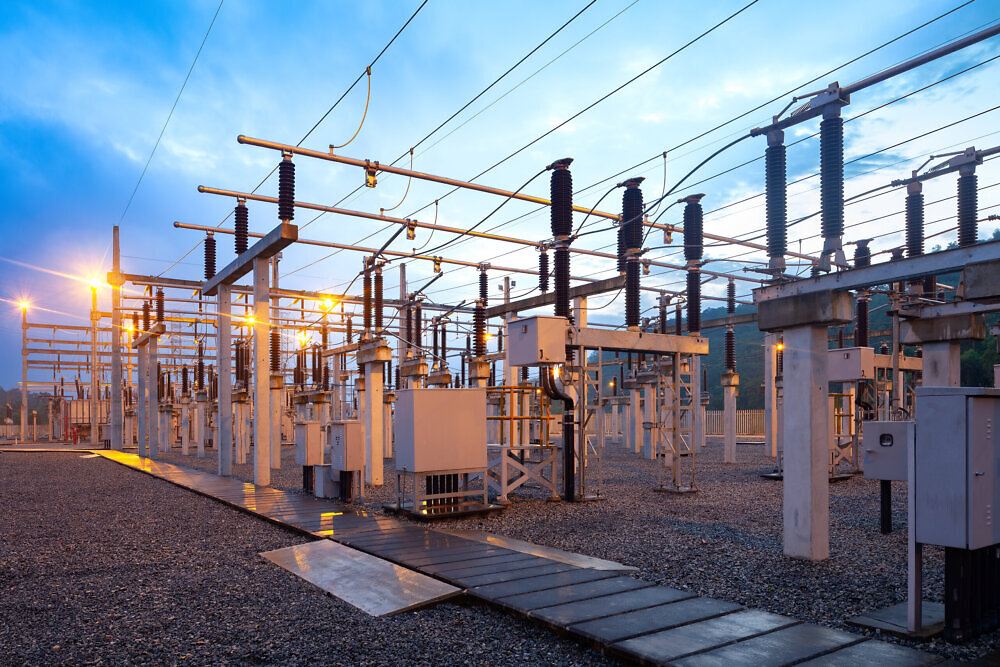
We evaluate the impacts of climate-related policies, including clean technology adoption and impacts on consumers, and use modeling to determine the most effective emissions reduction strategies to get to net-zero.
Preparing for future power needs and conditions
Evaluating the impacts of the global energy system
Good news, some concerns
State-level adoption saves money and lives
New analysis targets cybersafety
Strengthening critical public support
Why including non-carbon options is key
More aggressive measures are needed
A tool to map cost-competitiveness of coal & renewables
Can new policies curtail their growth?
New models help electrify rural India
Novel analysis yields new insights
Designing incentives for green technology adoption
The effects of water pumping in Pakistan's Indus Basin
Resilience of people and ecosystems under climate stress
Electricity distribution concessions in Odisha
Power price crisis in the EU 2.0+: Desperate times call for desperate measures
MITEI Energy UROP and Wellesley College undergraduate Janina Shivdasani '26 analyzes and communicates MIT energy and climate research and highlights the importance of making this work broadly accessible.
The selected projects will address carbon capture, lithium supply chains, electrical grid planning, and more.
Former U.S. ambassador to China highlights climate change as an area for diplomatic engagement, while exploring areas of competition between the two countries.