We are decarbonizing industrial processes—such as steel-making, chemical manufacturing, and cement-making—with electrified thermal and electrochemical processes, combined with novel feedstocks and catalysts.
Preparing for future power needs and conditions
New analysis targets cybersafety
Designing “recipes” using artificial intelligence
The productivity impacts of energy efficiency programs in developing countries: Evidence from iron and steel firms in China
Performance of passive sampling with low-density polyethylene membranes for the estimation of freely dissolved DDx concentrations in lake environments
Harnessing dimethyl ether with ultra-low-grade heat for scaling-resistant brine concentration and fractional crystallization
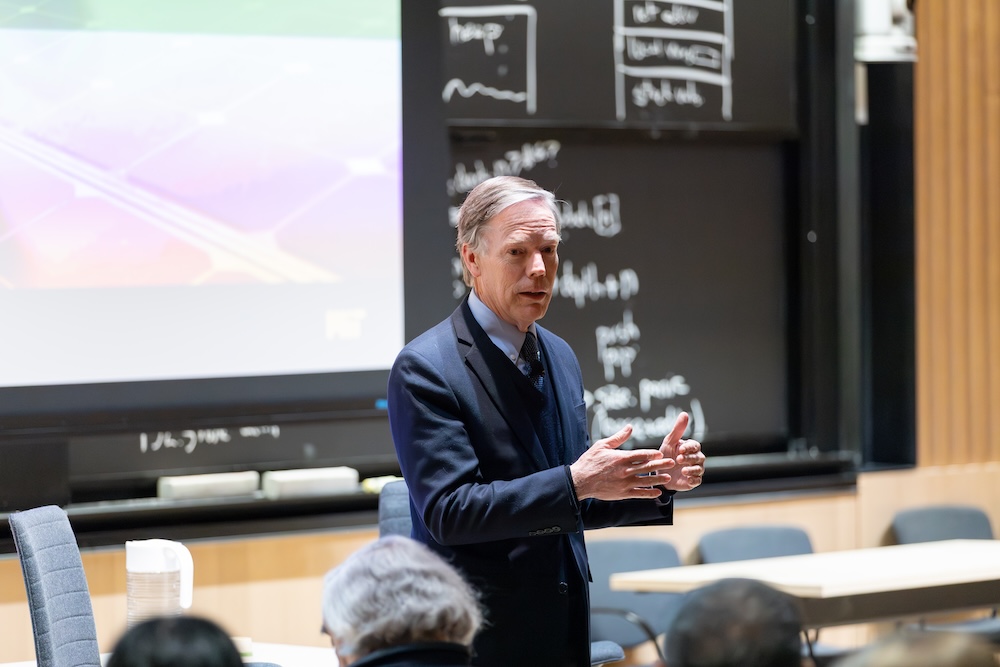
Former U.S. ambassador to China highlights climate change as an area for diplomatic engagement, while exploring areas of competition between the two countries.
Data centers and your power bill
Even when data centers can produce all or some of their own energy, they usually still need to be connected to the grid. The cost of those utility investments can add up quickly, according to Christopher Knittel, MIT associate dean for climate and sustainability, who states that this will matter more and more with data center expansion.
This battery company from MIT helps factories ditch fossil fuels for cheap renewable power
Electrified Thermal Solutions—a startup with MITEI ties—developed a new “thermal battery” capable of helping power the manufacturing of energy-intensive materials like steel and cement. “We’re talking about massive emissions reductions—to the tune of several gigatons per year of CO2—reduced through this transition,” said co-founder and CEO Daniel Stack SM ’17, PhD ’21, who, as a student, was a research associate on a MITEI-funded energy storage project.