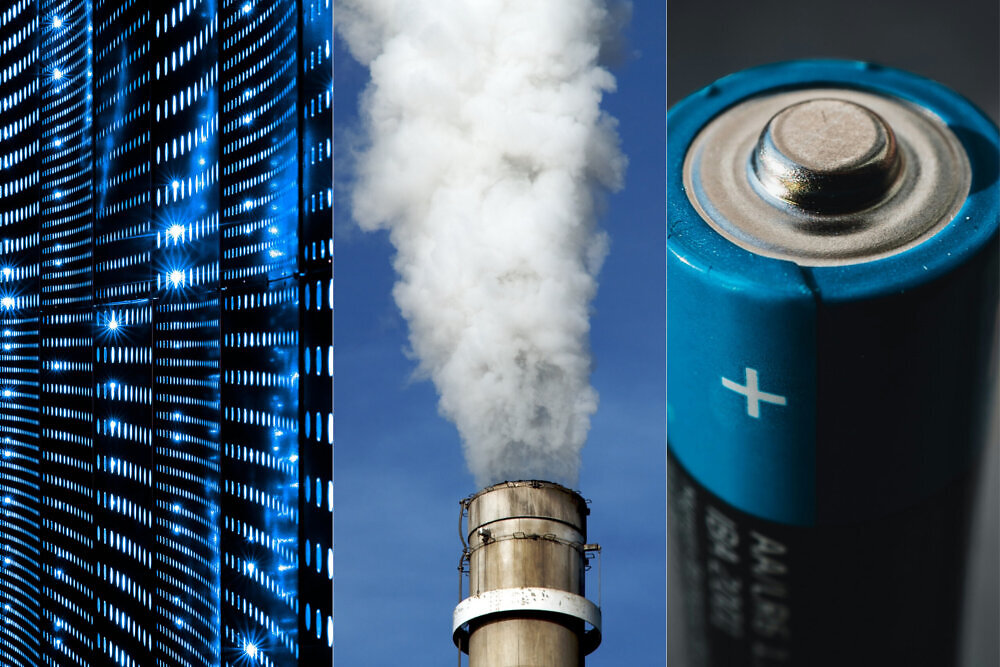
We are decarbonizing industrial processes—such as steel-making, chemical manufacturing, and cement-making—with electrified thermal and electrochemical processes, combined with novel feedstocks and catalysts.
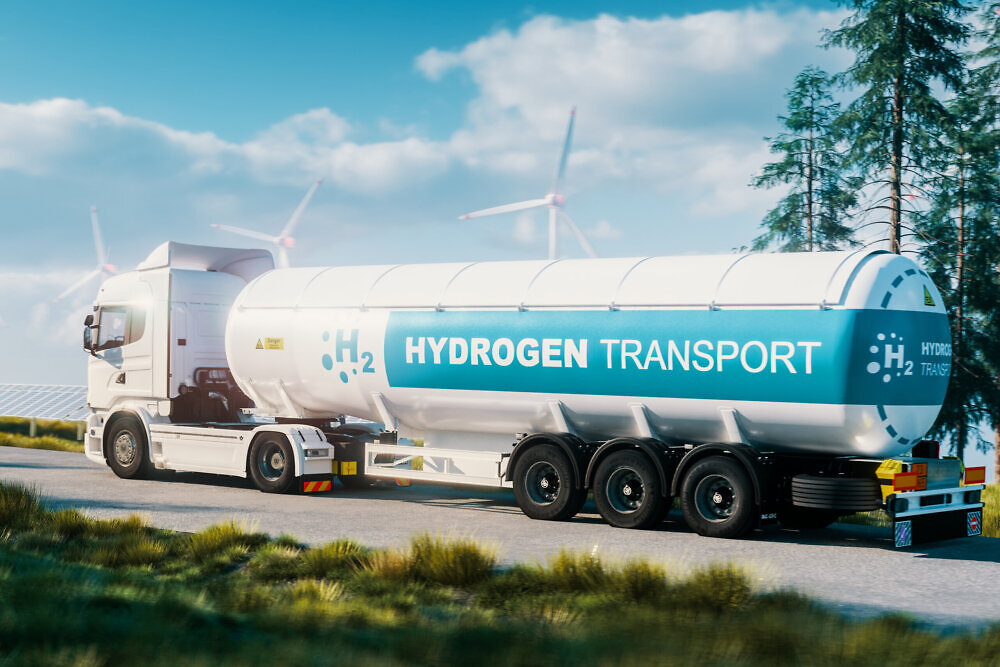
Exploring hydrogen shipping options
Preparing for future power needs and conditions
New analysis targets cybersafety
Designing “recipes” using artificial intelligence
The productivity impacts of energy efficiency programs in developing countries: Evidence from iron and steel firms in China
Performance of passive sampling with low-density polyethylene membranes for the estimation of freely dissolved DDx concentrations in lake environments
Harnessing dimethyl ether with ultra-low-grade heat for scaling-resistant brine concentration and fractional crystallization
Office of Strategic Capital signs $500 million conditional loan commitment with Phoenix Tailings
Phoenix Tailings, with support from the U.S. Office of Strategic Capital, will scale their domestic processing of rare earth elements, restoring U.S. industrial independence by building the capacity needed to make metals for major technologies. CTO and Co-Founder Thomas Villalón Jr. participated in the MITEI Energy Undergraduate Research Opportunities Program while a student at MIT.
A team led by MIT Energy Initiative researchers has developed a tool that enables decision makers to explore the cost and carbon emissions of their options for shipping hydrogen fuel to their site.
New Seed Innovation Fund projects will advance the energy transition by reducing energy use in data centers, guiding development of fast-charging batteries, expanding geothermal energy as an abundant low-carbon power source, and more.