We are developing decision-making tools to support energy efficient building retrofits and examining how to significantly scale up heat electrification using low- and no-carbon technologies for both new and existing building stock.
Tools for designing with forked tree branches
Transparent aerogels for solar devices, windows
Faster fabrication, renewable materials
Designing resource-efficient, appealing cities
A pathway to flexible, resilient architecture
Leaching characteristics of biomass ash-based binder in neutral and acidic media
Smart meter-based archetypes for socioeconomically sensitive urban building energy modeling
Integrated energy demand-supply modeling for low-carbon neighborhood planning
The selected projects will address carbon capture, lithium supply chains, electrical grid planning, and more.
MIT undergraduate Amelia How ’27 shares her experience as a MITEI Energy UROP and how her work in metallurgy can help support better energy infrastructure.
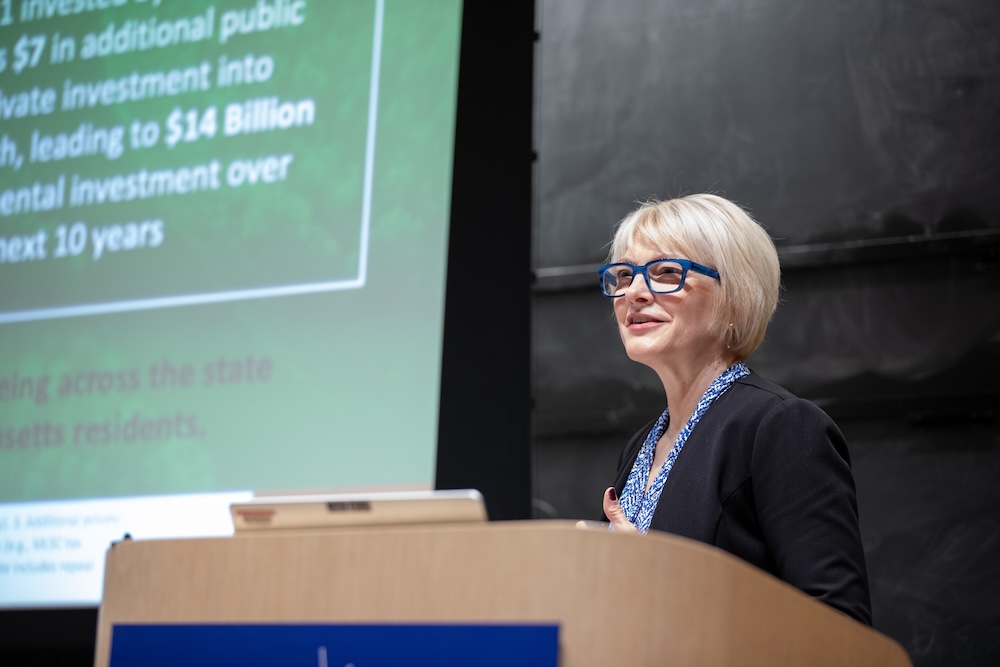
Massachusetts Clean Energy Center CEO highlights the state government’s unique approach to fostering and keeping clean energy innovation in Massachusetts.