The MIT Energy Initiative will hold the Future Energy Systems Center Spring Workshop on May 19-20, 2026. At the workshop, you will gain insight into the Center’s latest and ongoing research.
Attendance at the Spring Workshop is restricted to Members of the Future Energy Systems Center and invited members of the MIT Community.
Agenda
| Tuesday, May 19 | |
| 8:00-8:30 am ET | Breakfast and registration |
| 8:30-8:40 am ET |
Welcome
William H. Green, Director, MIT Energy Initiative; Hoyt C. Hottel Professor of Chemical Engineering |
| 8:40-9:30 am ET |
From watts to intelligence: Powering the age of artificial general intelligence Over the past fifteen years, artificial intelligence has advanced at an extraordinary pace, culminating in the emergence of Generative AI (GenAI) systems capable of high-fidelity pattern understanding and generation across text, speech, image, and multimodal data. Once confined to research settings, these systems now serve as foundational components of large-scale products and platforms, transforming how cognitive work is performed across industries and society. As a result, the prospect of Artificial General Intelligence (AGI) has shifted from theoretical speculation to a tangible possibility. At its core, this transformation is powered by energy: intelligence is, in effect, the result of converting energy into tokens through computation. As AI systems continue to scale, energy is emerging as a fundamental bottleneck. This keynote explores the technical and economic forces driving the current scaling paradigm, the rapidly increasing energy demands that sustain it, and the emerging constraints spanning compute infrastructure, power delivery, and system efficiency. Ruhi Sarikaya will examine how these constraints interact with scaling laws, influence architectural and system-level innovation, and ultimately shape the trajectory toward AGI over the coming decade. Ruhi Sarikaya, Vice President of Alexa AI, Amazon Moderated by: Morgan Andreae, Executive Director, Future Energy Systems Center, |
| 9:30-10:45 am ET |
Energy storage: The path from innovation to grid deployment New energy technologies do not reach the grid on technical promise alone. They require a compelling customer case, a credible deployment pathway, and a clear answer to problems that buyers are willing to pay for. In this conversation with Form Energy, we will explore how they are bringing their metal-air battery technology to market: how they pitch long-duration storage to utilities, what customers are buying it for, and how both sides weigh technical risk against business value. The discussion will use Form Energy’s experience to reflect on the broader challenge of moving long-duration storage from innovation to deployment. Introduction by: Morgan Andreae, Executive Director, Future Energy Systems Center, Vinicius Aguiar, Capital Markets & Commercial Finance Lead, Form Energy Moderated by: Ruaridh Macdonald, Research Scientist, MIT Energy Initiative |
| 10:45-11:00 am ET | Break |
| 11:00 am-12:00 pm ET |
New Future Energy Systems Center Project Kickoffs Round 1
Moderated by Kate Ahern, Program Manager, MIT Energy Initiative |
| 12:00-1:00 pm ET | Lunch |
| 1:00-2:00 pm ET |
New Future Energy Systems Center Project Kickoffs Round 2 In person only: Breakout discussions with project teams
Moderated by Kate Ahern, Program Manager, MIT Energy Initiative |
| 2:00-2:15 pm ET | Break |
| 2:15-3:30 pm ET |
The developing world and the changing landscape of energy This panel will focus on the changing landscape of energy in the developing world. With multiple challenges including electricity access and low cost energy solutions, what are some of the emerging trends and opportunities in various parts of the globe? Is there an option for the developing world to industrialize differently? Panelists will examine this changing landscape from multiple angles. Deepak Divan, Founder and CTO, GridTran; Professor Emeritus, Georgia Institute of Technology Moderated by: Anuradha Annaswamy, Senior Research Scientist, MIT Department of Mechanical Engineering |
| 3:30-4:30 pm ET |
Tech dashboard updates: New topics and discussion
Morgan Andreae, Executive Director, Future Energy Systems Center, |
| 4:30-5:15 pm ET |
Project highlights by students and postdocs
Moderated by Kate Ahern, Program Manager, MIT Energy Initiative |
| 5:15-7:00 pm ET | Poster viewing and reception |
| Wednesday, May 20 | |
| 8:00-9:00 am ET | Breakfast and registration |
| 9:00-10:05 am ET |
Regional energy transition challenges and opportunities: Europe This session will explore Europe’s evolving regional energy ecosystem, focusing on the practical and strategic dimensions of the energy transition from an industry perspective. Panelists will discuss how major energy and utility companies are adapting to decarbonization requirements, where they see the greatest opportunities and constraints, and how technology, infrastructure, policy, and market design are shaping investment decisions and system transformation. The conversation will also surface lessons from Europe that may be relevant to broader global energy transitions. Vitor Cruz, Vice President, Digital Products, Avangrid Moderated by: Michael A. Mehling, Deputy Director, MIT Center for Energy and Environmental Policy Research |
| 10:05-10:15 am ET | Break |
| 10:15-11:00 am ET |
Energy transition and technology development: Overcoming the challenges ahead The global energy system is undergoing a profound transition driven by rising energy demand, accelerating decarbonization goals, and rapid technological change. This talk examines the critical challenges and opportunities shaping the path forward, with a focus on how emerging energy technologies can be developed and deployed at scale. Key themes include the economic and policy conditions required to enable investment in new technologies, the tension between increasing global demand for affordable, reliable energy and the need to reduce greenhouse gas emissions, and the role of innovation in overcoming technical and infrastructural barriers. By highlighting the interplay between technology development, market dynamics, and regulatory frameworks, the presentation provides a balanced perspective on strategies needed to support a secure, competitive, and low-carbon energy future. Matt Reeves, Technology Vice President, Low Carbon Solutions, ExxonMobil Moderated by: Morgan Andreae, Executive Director, Future Energy Systems Center, |
| 11:00 am-12:00 pm ET |
Future Energy Systems Center Advisory Committee Meeting Morgan Andreae, Executive Director, Future Energy Systems Center, MIT Energy Initiative Kate Ahern, Program Manager, MIT Energy Initiative |
| 12:00-1:00 pm ET | Lunch |
| 1:00-2:30 pm ET Day 2 afternoon sessions will be co-presented by the MIT Center for Energy and Environmental Policy Research |
Electricity prices and household affordability Why are electricity prices rising at the very moment clean energy is scaling rapidly? Drawing on recent empirical work from MIT, this session challenges the conventional narrative by disentangling the relationship between renewable deployment and retail prices, and highlighting the roles of policy design, market structure, and legacy system costs. With perspectives from Poland’s Orlen and U.S.-based Constellation, the discussion will contrast different sources of affordability pressure across regions, from persistently high electricity prices in Poland and broader European fuel security concerns to emerging demand-driven cost pressures in the United States, including the rapid growth of data centers. Fischer Argosino, Graduate Researcher, MIT Center for Energy and Environmental Policy Research Moderated by: Christopher Knittel, Associate Dean for Climate and Sustainability, MIT Sloan School of Management; Director, MIT Center for Energy and Environmental Policy Research |
| 2:30-3:00 pm ET | Break |
| 3:00-4:30 pm ET |
U.S. energy policy landscape: Uncertainty, inertia, and market realities This session examines a persistent disconnect between political rhetoric and on-the-ground outcomes in U.S. energy markets. Despite continued uncertainty around federal priorities, tax credits, and regulatory direction, investment and deployment continue, raising a central question: how much is policy actually driving outcomes versus markets moving ahead anyway? Bringing perspectives from the American Clean Power Association, ISO New England, and MIT, the discussion will explore how market structures, regional constraints, and institutional inertia are shaping results, and whether current policy frameworks are equipped to manage reliability, affordability, and rapid load growth in the years ahead. Anthony Fratto, Senior Director of Research & Analysis, American Clean Power Association Moderated by: Joshua Hodge, Executive Director, MIT Center for Energy and Environmental Policy Research; Research Director, MIT Climate Policy Center |
| 4:30-4:45 pm ET |
Closing remarks Morgan Andreae, Executive Director, Future Energy Systems Center, MIT Energy Initiative Joshua Hodge, Executive Director, MIT Center for Energy and Environmental Policy Research; Research Director, MIT Climate Policy Center |
| 4:45-6:15 pm ET | Reception |
About the speakers
Vinicius Aguiar
Capital Markets & Commercial Finance Lead, Form Energy
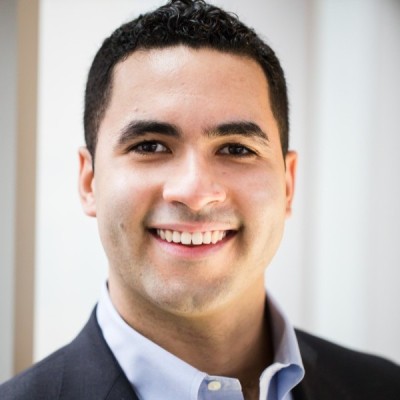
Vini Aguiar is the capital markets & commercial finance lead at Form Energy, where he sits at the intersection of fundraising, strategic finance, and commercial operations. Prior to Form, he was a consultant at BCG’s Energy / Climate & Sustainability practices and Charles River Associate’s Energy practice. Aguiar holds an MEng and BS from Lehigh University.
Kate Ahern
Program Manager, MIT Energy Initiative
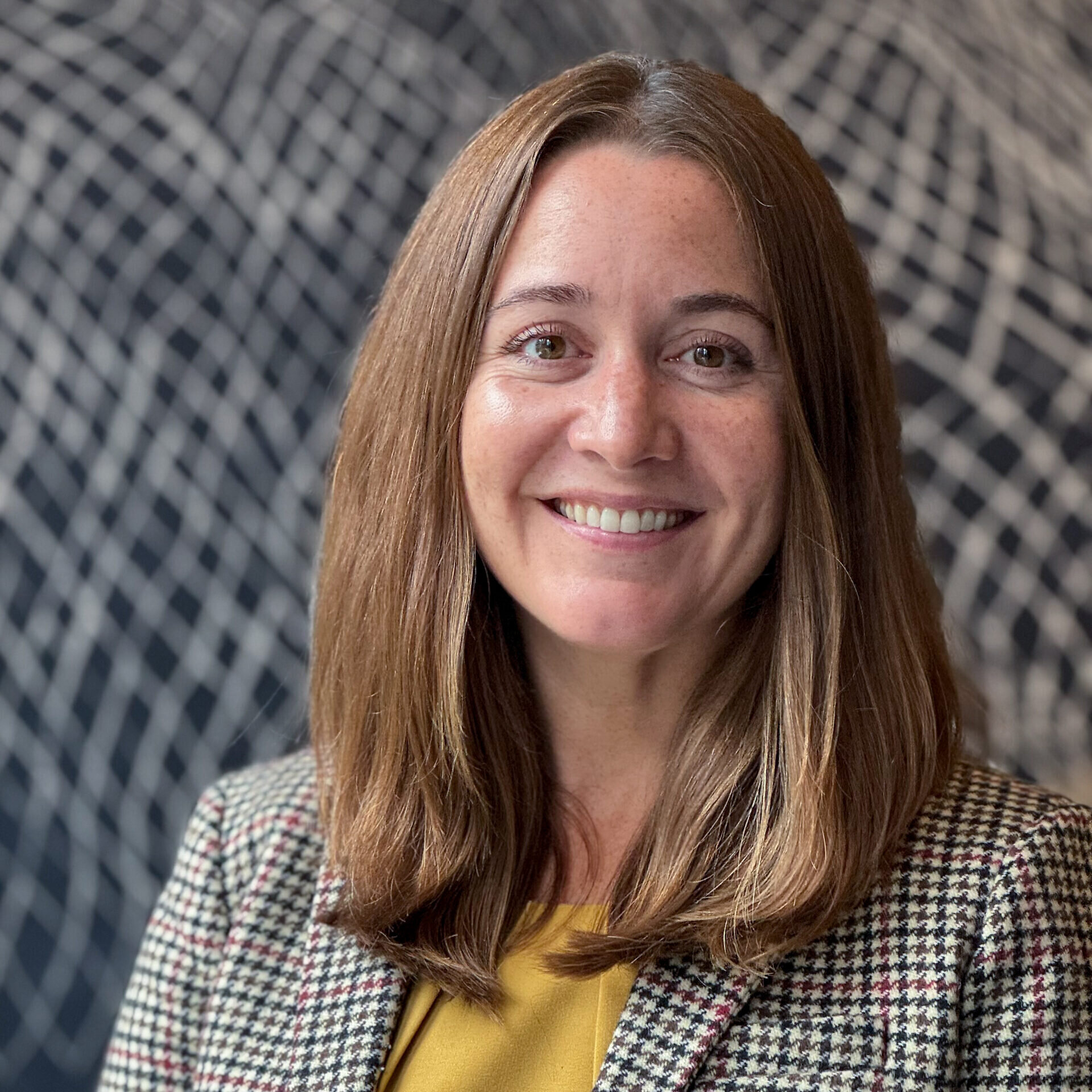
Kate Ahern is the Future Energy Systems Center’s program manager. She manages operations for over 40 decarbonization projects, empowering the Center’s 36 member companies to make informed, strategic decisions regarding their own decarbonization efforts. Previously, Ahern worked at Harvard Business School, managing Professor Michael Porter’s Microeconomics of Competitiveness (MOC) Network and disseminating Professor Porter’s Creating Shared Value (CSV) concept through Harvard Business School MBA and Executive Education courses.
She has gained valuable experience working with an environmental consulting firm in D.C. and Cleantech Open Northeast, as well as the Department of Justice and a private law firm in D.C. Ahern graduated from American University with a B.A. in Interdisciplinary Studies: Communications, Legal Institutions, Economics, and Government (CLEG) and received her Master’s degree in Sustainability and Environmental Management from the Harvard Extension School.
Ruby Aidun
Graduate Research Assistant, MIT Center for Energy and Environmental Policy Research

Ruby Aidun is a student in the Technology and Policy Program (TPP), and a graduate research assistant in the MIT Center for Energy and Environmental Policy Research (CEEPR). Her work with John Parsons explores the impacts of market design on the outcomes of electricity capacity markets. She holds a bachelor’s degree in materials science and engineering from Columbia University.
Morgan Andreae
Executive Director, Future Energy Systems Center, MIT Energy Initiative
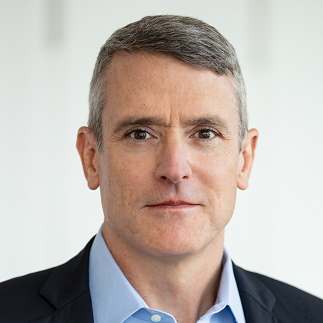
Morgan Andreae is the executive director of MITEI’s Future Energy Systems Center. Prior to joining MITEI, Andreae was the executive director of technology and innovation at Cummins where he led teams in the development of new battery, fuel cell, electrolyzer, and electric traction technologies. Over the course of his career Andreae has held a variety of roles in technology development, strategy, and product development, with a consistent focus on bringing more sustainable technology to market. Andreae holds over 25 patents on diesel, hybrid-electric, and electric powertrain technology. He has a PhD in mechanical engineering from MIT, a Masters and Bachelors in engineering from Dartmouth College, and a Bachelors in history from Haverford College.
Anuradha Annaswamy
Senior Research Scientist, MIT Department of Mechanical Engineering
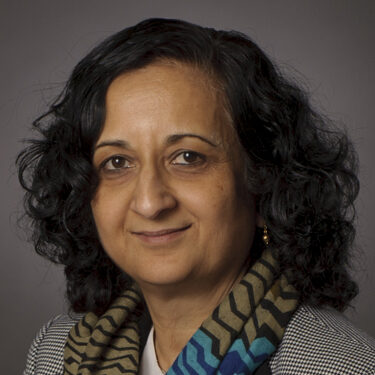
Anuradha Annaswamy is founder and director of the Active-Adaptive Control Laboratory in the Department of Mechanical Engineering at MIT. Her research interests span adaptive control theory and its applications to aerospace, automotive, propulsion, and energy systems as well as cyber physical systems such as Smart Grids, Smart Cities, and Smart Infrastructures. She has received best paper awards (Axelby, 1986; CSM, 2010), as well as Distinguished Member and Distinguished Lecturer awards from the IEEE Control Systems Society (CSS), best paper award from the IFAC journal Annual Reviews in Control for 2021-23, and a Presidential Young Investigator award from NSF, 1991-97. She is a Fellow of IEEE and International Federation of Automatic Control. She is the recipient of the Distinguished Alumni award from Indian Institute of Science. She received the IEEE Control Systems Technology Award from CSS in 2024.
Fischer Argosino
Graduate Researcher, MIT Center for Energy and Environmental Policy Research

Fischer James Espiritu Argosino is a master’s student in the Technology and Policy Program with a concentration in energy economics and technologies. He is also a graduate research assistant for Christopher R. Knittel in the MIT Center for Energy and Environmental Policy Research. His work focuses on the impacts of renewable energy deployment, dynamic retail rates, and the Low-Income Home Energy Assistance Program (LIHEAP) on energy affordability and poverty in the United States. His thesis argues for policy solutions that would jointly achieve an affordable and sustainable energy system. Argosino also holds a BS in mechanical engineering from the Colorado School of Mines.
Matthew Barmack
Vice President, Market & Regulatory Policy, Calpine
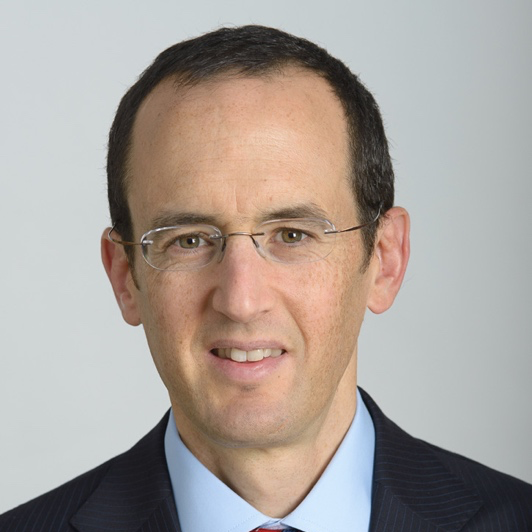
Matthew Barmack is vice president of market and regulatory policy at Calpine (now part of Constellation) where he focuses on market design and regulatory policy, particularly related to resource adequacy and generation resource planning. Barmack has worked on wholesale power market issues for more than 20 years. Prior to joining Calpine in 2009, Barmack worked at the Brattle Group, Analysis Group, and PG&E. At Calpine, Barmack has led advocacy related to capacity markets in California, PJM, and New England and long-term modeling of grid decarbonization. Barmack holds an AB in economics from Harvard College and a PhD in economics from MIT.
Kristin Bergmann
Associate Professor, MIT Department of Earth, Atmospheric & Planetary Sciences
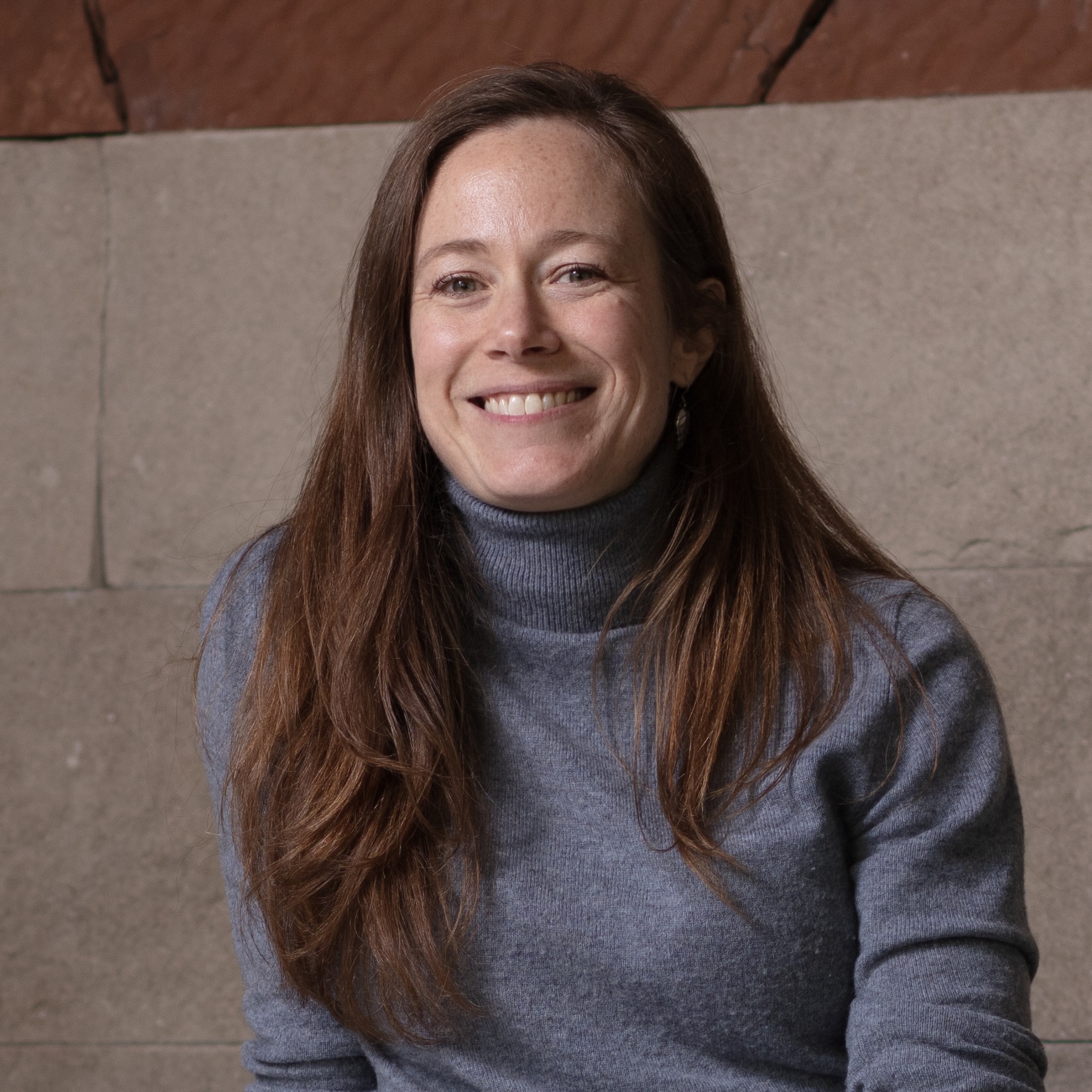
Kristin Bergmann is an associate professor in the Department of Earth, Atmospheric and Planetary Sciences at MIT, where she leads the Bergmann Carbonate Research Laboratory. Her group studies the precipitation, dissolution, and alteration of carbonate minerals in experimental and natural systems using petrography, carbonate clumped isotope thermometry, and field-based sedimentology. Much of her research focuses on reconstructing ancient ocean temperatures and the linkages between climate and the evolution of life across deep time, with a particular emphasis on the Neoproterozoic and Paleozoic. She has led international efforts to advance clumped isotope calibration. Her group also applies carbonate geochemistry to energy-relevant problems, including carbon capture and storage, geothermal systems, and ongoing work on hydrogen production and storage in sedimentary basins.
Chiara Berretta
PhD Student, MIT Department of Nuclear Science and Engineering and MIT Energy Initiative

Chiara Berretta is a PhD student in Chemical Reaction Engineering at the Paul Scherrer Institute in Switzerland, where she works on process intensification strategies and novel reactor configurations for sorption-enhanced methanol synthesis from biogas. As a visiting student at the MIT Energy Initiative and the Department of Nuclear Science and Engineering, she investigates pathways for the large-scale deployment of cellulosic biomass as a replacement for fossil fuels, using nuclear energy to provide external hydrogen and increase carbon efficiency.
Before starting her doctoral research, she gained industrial experience as a construction engineer with E.G. Group, the rebranded ExxonMobil gas-station network in Italy and Germany, and with Technip Energies, where she contributed to large-scale energy and gas projects such as the AMIRAL project for Saudi Aramco and the Bouri Gas Utilization Project for Mellitah Oil & Gas. By combining academic expertise in chemical engineering with prior industry experience, she aims to contribute to the development of more sustainable industrial processes.
Abner-Obed Cardona
Undergraduate Student, MIT Department of Electrical Engineering and Computer Science

Abner-Obed Cardona is an undergraduate student at the Massachusetts Institute of Technology (MIT), pursuing a degree in electrical engineering with computing. He currently serves as an assistant researcher in the Engineering Systems Lab, where he contributes to a techno-economic analysis of solar panel recycling systems, with a focus on the scalability and sustainability of renewable energy infrastructure.
Cardona is originally from Puerto Rico, and his background has strongly shaped his academic and research interests. Growing up in a region vulnerable to energy instability and climate-related challenges, Cardona developed a commitment to advancing resilient and sustainable energy systems. This perspective continues to guide his work at the intersection of engineering, economics, and environmental sustainability.
Cardona is also an Eagle Scout, an experience that reflects his dedication to leadership, service, and community engagement. These values inform his approach to engineering and reinforce his commitment to applying technical knowledge toward meaningful, real-world impact.
Through his research and academic pursuits, Cardona aims to contribute to the development of equitable and sustainable energy systems, particularly in addressing the unique challenges faced by island and coastal regions.
Ioannis Chalaris
Research Affiliate, MIT Climate and Sustainability Consortium
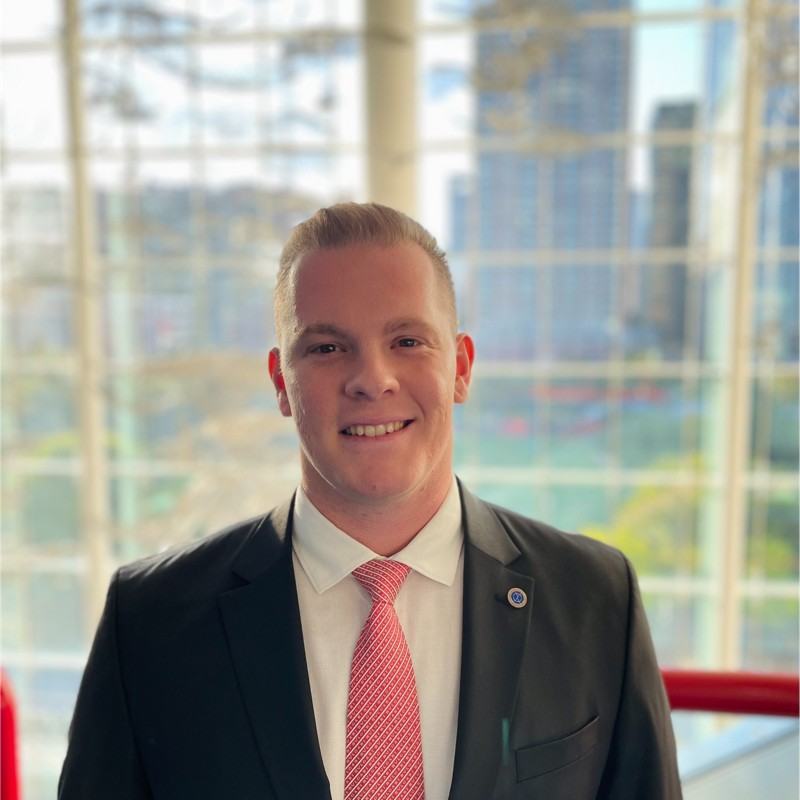
Ioannis Chalaris is a PhD researcher in Naval Architecture, Ocean and Marine Engineering at the University of Strathclyde, focusing on maritime decarbonization through life-cycle assessment (LCA) of alternative fuels and energy systems. His research aims to support the transition of global shipping toward low- and zero-carbon pathways by integrating emissions modelling, fuel lifecycle analysis, and vessel activity data.
He currently contributes as a research affiliate with the MIT Climate and Sustainability Consortium, supporting research on the evolution of maritime energy systems and the adoption of alternative fuels in global shipping. His recent work includes modelling fuel transition scenarios and emissions trajectories for green shipping corridors, with a particular focus on the Singapore-Rotterdam route.
Prior to his doctoral research, he gained four years of professional experience in the maritime industry with a classification society, where he was involved in vessel surveys and technical assessments. This background enables him to bridge academic research with real-world operational and regulatory challenges.
Chalaris is also the co-founder and National Representative of the Hellenic Young Generation in Nuclear (Hellenic YGN), promoting engagement and knowledge exchange in nuclear energy technologies among young professionals in Greece. In parallel, he serves as Chair of the SNAME M-50 Panel on Alternative Fuels, contributing to industry dialogue on maritime decarbonization strategies.
His work lies at the intersection of maritime technology, energy systems, and climate policy.
Vitor Cruz
Vice President, Digital Products, Avangrid
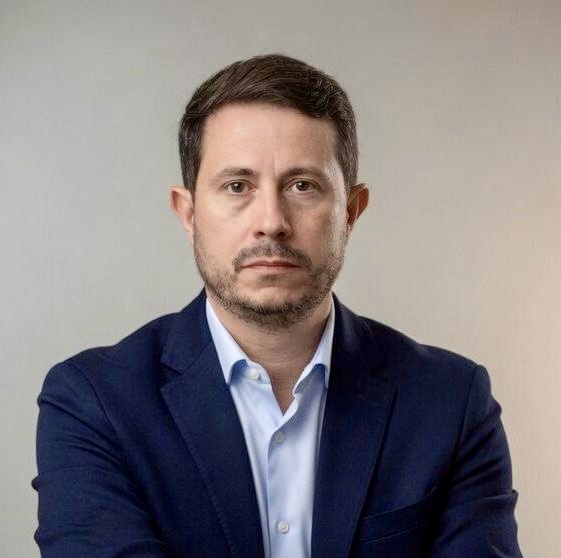
Vitor Cruz is vice president of digital products at Avangrid, a leading sustainable energy company in the United States and a member of the Iberdrola Group. With more than 25 years of professional experience, he is a senior technology and transformation leader with deep expertise in digital transformation, enterprise platforms, and large‑scale change programs within the energy industry.
In his current role, Cruz leads enterprise digital products and business solutions, overseeing major transformation initiatives that include digital customer experiences, grid and operational platforms, and data‑driven capabilities supporting operational excellence, regulatory compliance, and long‑term sustainability objectives. His work focuses on aligning technology strategy with business value, financial discipline, and the demands of a rapidly evolving energy landscape.
Cruz brings a strong international perspective, having worked extensively across Europe and the United States in complex, highly regulated environments. He holds an academic background in computer engineering and has completed executive master’s programs at the Questrom School of Business at Boston University and at the University of California, Berkeley, Haas School of Business. His education is further complemented by postgraduate studies in digital business and advanced executive education in leadership and strategy.
Cruz regularly engages with academic institutions, industry forums, and global partners to explore how technology and innovation can accelerate the energy transition.
Julia Ćwiek
Project Manager, Strategic Projects Department, ORLEN

Julia Ćwiek is a project manager in ORLEN’s Strategic Projects Department, where she is leading strategic and public affairs projects. Ćwiek was responsible for project management of ORLEN’s 2035 Strategy and works on the SMR Development Program and Downstream Decarbonization Strategy. She co-authored the “CEE Energy Outlook” – a first outlook for Central and Eastern Europe published by ORLEN and a report “Baltic Cooperation – Momentum for the Energy Transition” published by ORLEN and S&P Global. Ćwiek graduated from the London School of Economics with an MSc in European Political Economy and from the Warsaw School of Economics with a degree in European Integration. Before joining ORLEN, Ćwiek worked in energy and economic think tanks and wrote extensively on European energy policy. She also worked in the Permanent Representation of Poland to the European Union in Brussels, where she actively participated in shaping European energy and climate legislation in the Council of the European Union.
Deepak Divan
Founder and CTO, GridTran; Professor Emeritus, Georgia Institute of Technology
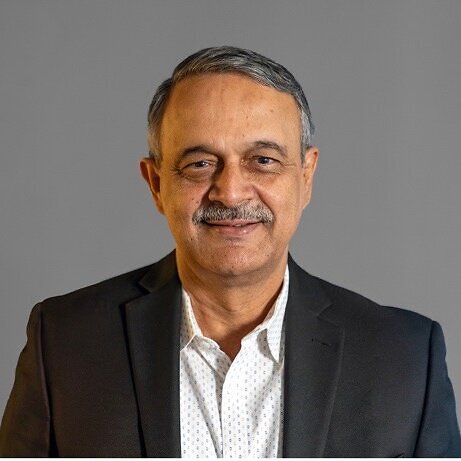
Deepak Divan is leading GridTran, a new company within the Endeavour Energy group of companies, to develop and build innovative DC energy infrastructure for large plants rated at 1-1,000MW and connecting to the grid at 13-35kV AC, to meet the demands of fast-growing applications such as AI datacenters, 24X7 off-grid power, generation/storage resources, electrified transportation and new industrial plants. Endeavour Energy is a leading developer of global datacenters and related energy solutions.
Divan also holds the position of Professor Emeritus at the Georgia Institute of Technology in Atlanta, where he served as professor and director for the Center of Distributed Energy. He is a leading researcher in the areas of power electronics, power systems, smart grids, and distributed control of power systems, with over 45 years of experience as an academic and entrepreneur. He has actively worked with DOE, ARPA-E, industry, electric utilities, and startups to develop and commercialize advanced technologies in the power and energy area, such as transmission power flow control, grid forming inverters, soft switching converters, and solid-state transformers. Divan has started or provided the technology seed for several companies, including GridBlock, GigaGrid, Innovolt, Soft Switching Technologies, Varentec & Smart Wires. He is coauthor of the book ‘Energy 2040 – Aligning Innovation, Economics and Decarbonization’, published by Springer in 2024, and recognized by Forbes magazine to be in the top 10 ‘must read’ books for 2025.
Divan is a member of the U.S. DOE’s Electricity Advisory Committee, elected Member of the U.S. National Academy of Inventors, U.S. National Academy of Engineering, and was a member of the National Academies Board on Energy and Environmental Systems and the National Academies (NASEM) Committee on The Future of Electric Power in the United States. He is the recipient of the 2024 IEEE Medal in Power Engineering, Life Fellow of the IEEE, past president of the IEEE Power Electronics Society, recipient of the 2006 IEEE William E Newell Field Medal and the 2023 IEEE Hingorani Custom Power Medal. He started and was the International Chair of the IEEE Empower a Billion Lives (EBL) recurring global competition to develop scalable energy access solutions. He was an invitee to the White House Electrification Summit in 2022 and has presented on the subject of electric grids around the world, including at the COP-22 meeting in Morocco in 2016 and the United Nations Global Solutions Summit in 2023. He received his BTech in electrical engineering from IIT Kanpur in India in 1975, and his MS and PhD degrees from the University of Calgary, Canada in 1979 and 1983 respectively.
Chris Forsyth
PhD Candidate, MIT Department of Nuclear Science and Engineering
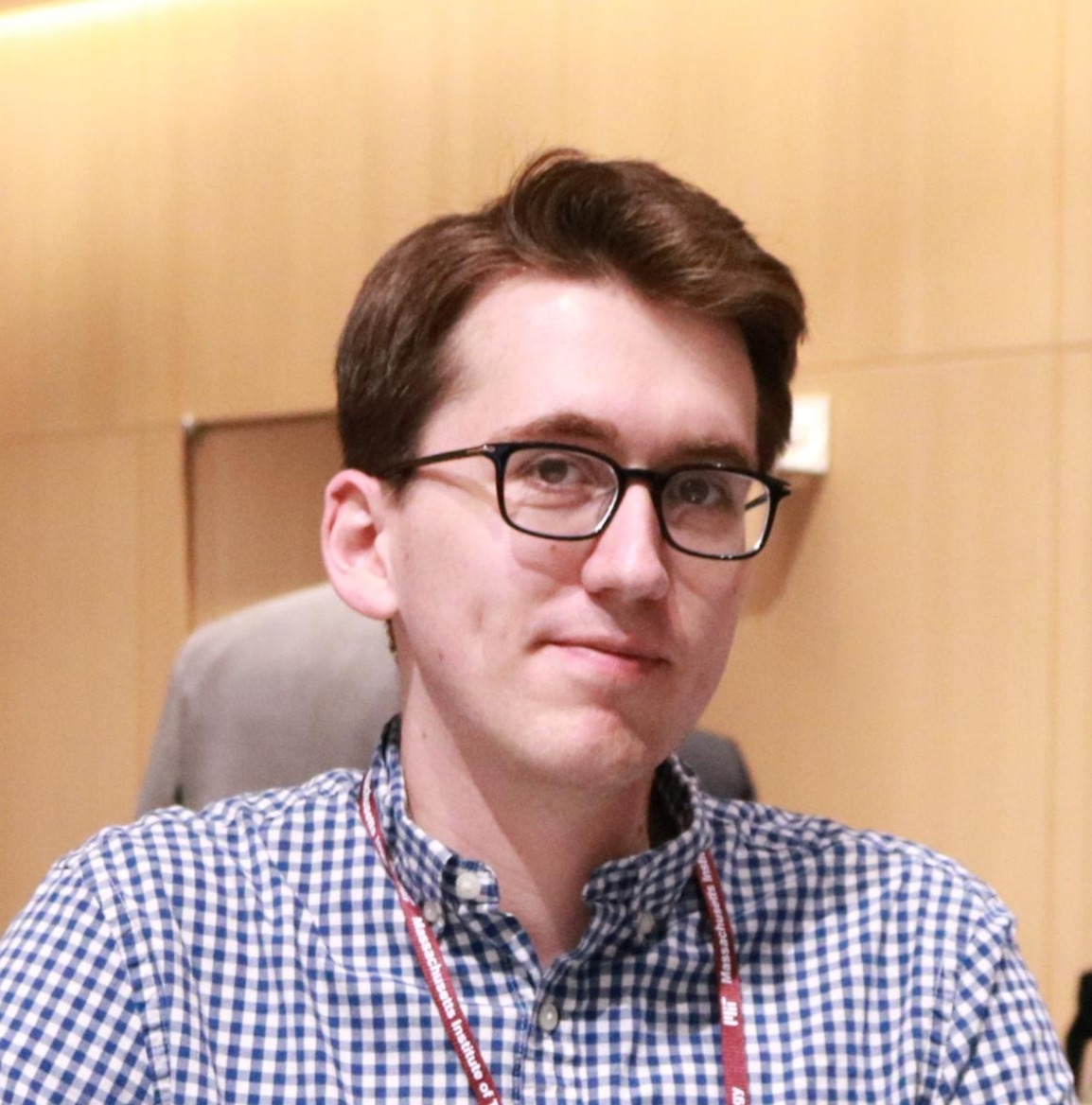
Chris Forsyth is a third-year PhD candidate in Professor Koroush Shirvan’s group in the Department of Nuclear Science and Engineering. His PhD research is focused on the economics of advanced fission energy systems, with a specific focus on water-cooled and gas-cooled reactors for industrial heat applications and cogeneration of electricity. Forsyth is also pursuing research on other areas of nuclear construction economics, including historical trends in nuclear power plant capital costs and how contract frameworks should be designed to more effectively manage various stakeholders in nuclear construction.
Anthony Fratto
Senior Director of Research & Analysis, American Clean Power Association

Anthony Fratto is the senior director of research and analysis at ACP. Fratto manages quantitative analysis and impact assessments of the clean energy industry. This includes policies and regulations that influence clean power deployment as well as clean power’s mark on the broader economy. Fratto’s team oversees power modeling, economic and environmental impact, supply chain, tariffs, and any sort of quantitative ”catch-all” analysis used to help inform ACP’s federal and state affairs teams, communications shop, and policy SMEs.
Prior to joining ACP, Fratto was a managing consultant at E3. He worked on asset valuation in which he quantified future revenue streams and helped clients make decisions about capital expenditures. In addition, he helped lead E3’s electricity market forecasting for Texas and the Eastern Interconnect, and oversaw long-term resource planning projects under a decarbonized world.
Fratto received his Bachelor of Science in chemical engineering and political science from the University of Utah, and a Master’s in technology and policy from MIT where he did research under MITEI & CEEPR.
Joe Geniesse
PhD Researcher, MIT Electrochemical Energy Laboratory

Joe Geniesse is a third-year PhD researcher in the Electrochemical Energy Laboratory advised by Professor Yang Shao-Horn. His research focuses on high-energy-density sodium metal batteries from fundamental physical chemistry to implementation. He leverages operando spectroscopy and titration techniques to characterize the composition of the solid-electrolyte interphase in order to direct rational design of high-performance electrolytes. He utilizes techno-economic energy systems models to evaluate how fundamental research advances propagate to implementation across sectors and geographies. Geniesse is a venture partner at University Climate Ventures and VP of Mentorship and Judging at the MIT Climate and Energy Prize. Prior to MIT, he received degrees in chemistry and environmental & urban studies from the University of Chicago.
Matthew Goldberg
Executive Director, Strategy, Risk & Operations Compliance, ISO New England Inc.
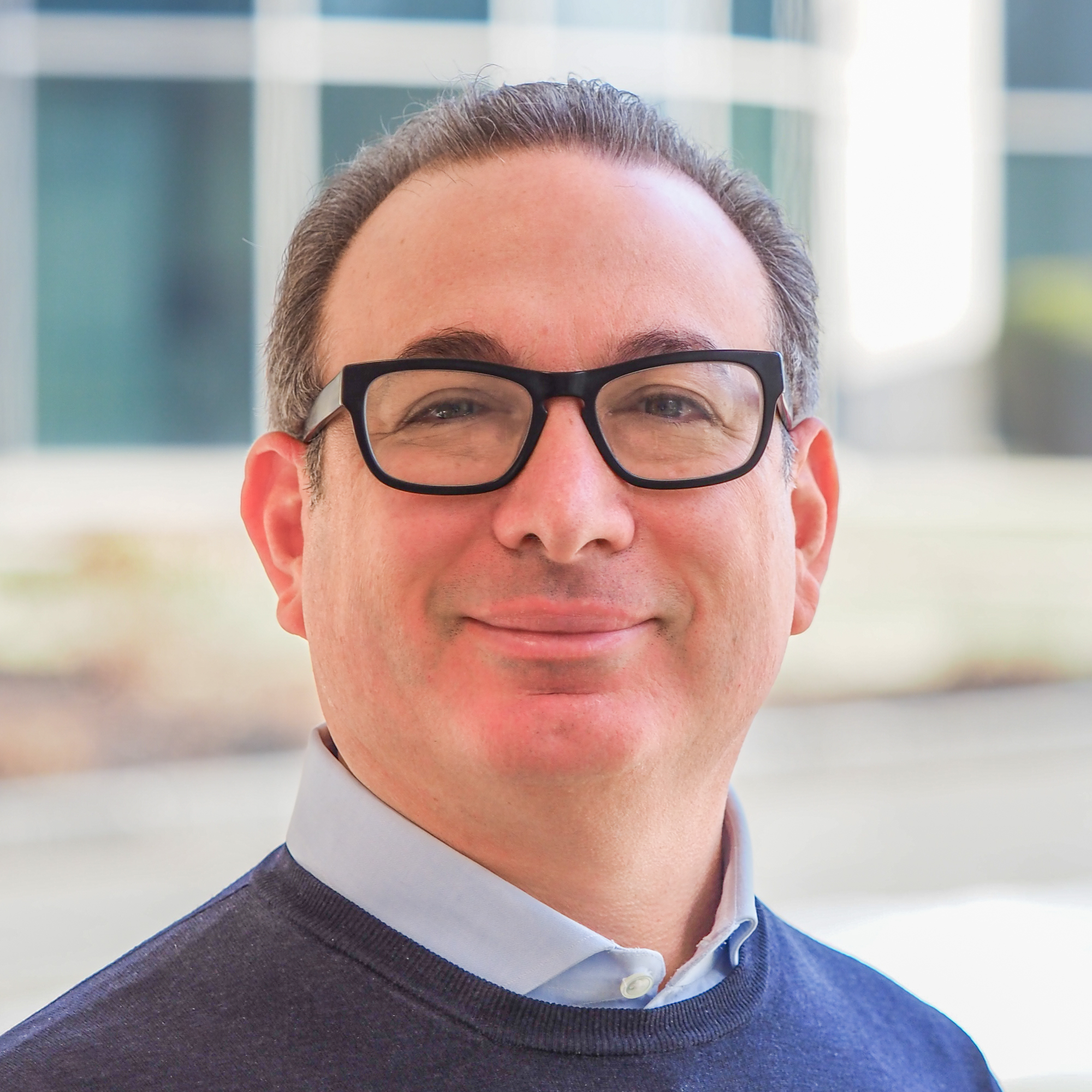
Matthew Goldberg has been with ISO New England, the non-profit system operator, wholesale electric market administrator and long-term planning organization for New England, for almost 25 years. He began at ISO New England as senior regulatory counsel, then formed the internal compliance group. For the last five years, Goldberg has administered ISO New England’s strategic planning process and enterprise risk management program. He is a graduate of Northwestern University School of Law, as well as Haverford College with BA in history. He is married with two children (ages 8 and 12).
William H. Green
Director, M, IT Energy Initiative; Hoyt C. Hottel Professor of Chemical Engineering
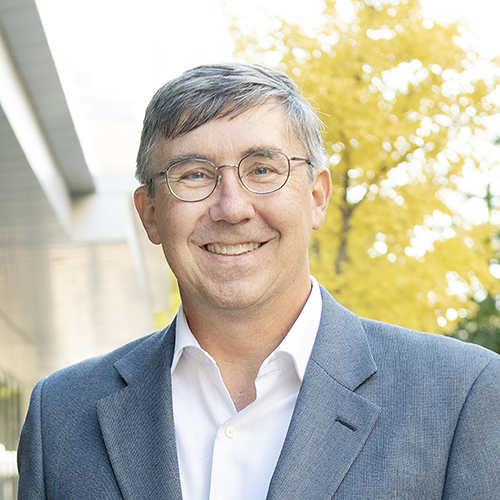
William H. Green, the Hoyt C. Hottel Professor at MIT, is a world leader in chemical kinetics, reaction engineering, prediction of chemical reactions and properties, and in development of related software. He has led many combined experimental/modeling research projects related to fuels, combustion, pyrolysis, and oxidative stability, and he invented an instrument to directly measure rate coefficients for multi-channel reactions. He developed computer methods to predict the behavior of complicated reacting mixtures, many of which are included in the open source Reaction Mechanism Generator software package, a type of AI expert system for reactive chemistry. The associated popular website rmg.mit.edu includes estimators for many chemical properties and several databases. Green co-invented several algorithms and numerical methods helpful for handling complicated chemical kinetics. His group has also developed machine-learning methods and software (ASKCOS and Chemprop) for accurately predicting the products of organic reactions and for predicting many chemical and reaction properties. Chemprop, whose recent versions were developed primarily by Green’s research group, is currently the most popular open-source chemistry software on GitHub. It is heavily used by the pharmaceutical industry, to predict the properties of proposed new drug molecules. Green also invents and analyzes technologies to reduce greenhouse gas emissions, particularly in the transportation/fuel sector. Two of his greenhouse-gas reduction inventions are now being commercialized, one by Thiozen, a company he co-founded. Recently he has been developing and analyzing technology options for decarbonizing the freight sector, with a special interest in long-haul trucking.
Green earned his BA from Swarthmore College, and his PhD in physical chemistry from the University of California at Berkeley under the supervision of C. Bradley Moore. After postdocs at Cambridge University with Nicholas Handy and at the University of Pennsylvania with Marsha Lester, he worked for Exxon Research & Engineering for six years before joining the Chemical Engineering faculty at MIT in 1997. Green has co-authored more than 350 journal articles, which have been cited more than 23,000 times. He is a fellow of the AAAS and of the Combustion Institute, and has received the American Chemical Society’s Glenn Award in Energy & Fuel Chemistry and the AIChE’s Wilhelm Award in Reaction Engineering. He convened and organized the International Conference on Chemical Kinetics in 2011, and now serves as treasurer of that conference series. More than 20 of his former graduate or postdoctoral students are now tenured or tenure-track faculty. He previously served as the editor of the International Journal of Chemical Kinetics, as the faculty chair of MIT’s Mobility of the Future project, and as the executive officer of the MIT Department of Chemical Engineering. He was appointed director of the MIT Energy Initiative in Spring 2024.
Joshua Hodge
Executive Director, MIT Center for Energy and Environmental Policy Research; Research Director, MIT Climate Policy Center

Joshua Hodge is the executive director at the MIT Center for Energy and Environmental Policy Research (CEEPR), research director at the MIT Climate Policy Center as well as a lecturer at the MIT Sloan School of Management. His areas of expertise include domestic and international climate and energy policy, with a focus on energy transition and renewable energy policies in the United States. Hodge’s recent work has included assisting rural electric cooperatives in the U.S. with decarbonization strategy. He is also acting executive director for the third phase of joint Harvard-MIT Roosevelt Project, as well as a member of the MIT Net-Zero by 2026 Faculty Review Committee.
Prior to his appointment as executive director at CEEPR, Hodge served for three years as deputy executive director at both CEEPR and the MIT Joint Program on the Science and Policy of Global Change. Before joining MIT, Hodge ran the Commodities Research and Forecasts business, Americas, at Thomson Reuters, where he managed the launch of the firm’s North American power and gas forecast modeling services. Previously, Hodge was managing director, North America, at Point Carbon where he was the firm’s first hire in the region and oversaw the launch of Point Carbon’s North American products. Hodge holds an MBA from the Darden Graduate School of Business at the University of Virginia and received his undergraduate education at the University of St. Andrews (UK).
Hodge has served as a commissioner on the Commission for Energy Use and Climate Change of the City of Somerville (MA), assisted the Museum of Science, Boston with climate change programing, and mentored students at the MIT Policy Hackathon.
Detlef Hohl
Chief Scientist Computational and Data Science, Shell

Detlef Hohl holds a Master’s degree in chemistry from Technical University of Munich and a PhD in theoretical physics from Technical University of Aachen (Germany). Before joining Shell, he was senior scientist at the German National Laboratory Forschungszentrum Jülich.
Hohl spent his entire Shell career in R&D, both in the U.S. and in Europe. First in geophysical seismic imaging, then in probabilistic seismic inversion, and then he became R&D team leader for “Quantitative Reservoir Management”. From 2010-2017 he was R&D General Manager Computation and Modeling where he led a project portfolio in data analytics, computational engineering and materials science, geoscience and petroleum engineering.
Hohl was appointed Shell’s Chief Scientist for Computational and Data Science in 2017 where he oversees and guides Shell’s entire computational and computer science portfolio, including elements of Artificial Intelligence, physical systems simulation at all spatial and temporal scales, chemicals and chemical engineering modeling, future energy systems optimization, atmospheric and Earth science modeling.
Hohl has always used the largest available high-performance computers of their time to do big things that cannot be done otherwise. He is active in the academic, National laboratory and joint industry research communities, member of APS, ACM, SIAM, SPE, SEG and AGU. Hohl is adjunct professor and teaches courses at Rice University (Computational and Applied Math). He held various temporary and visiting positions at NCSA, SISSA Trieste, NIST and Stanford University. In his free time, science remains his biggest hobby.
Andreas Jagtøyen
Senior Vice President, Technology Digital and Innovation, Equinor
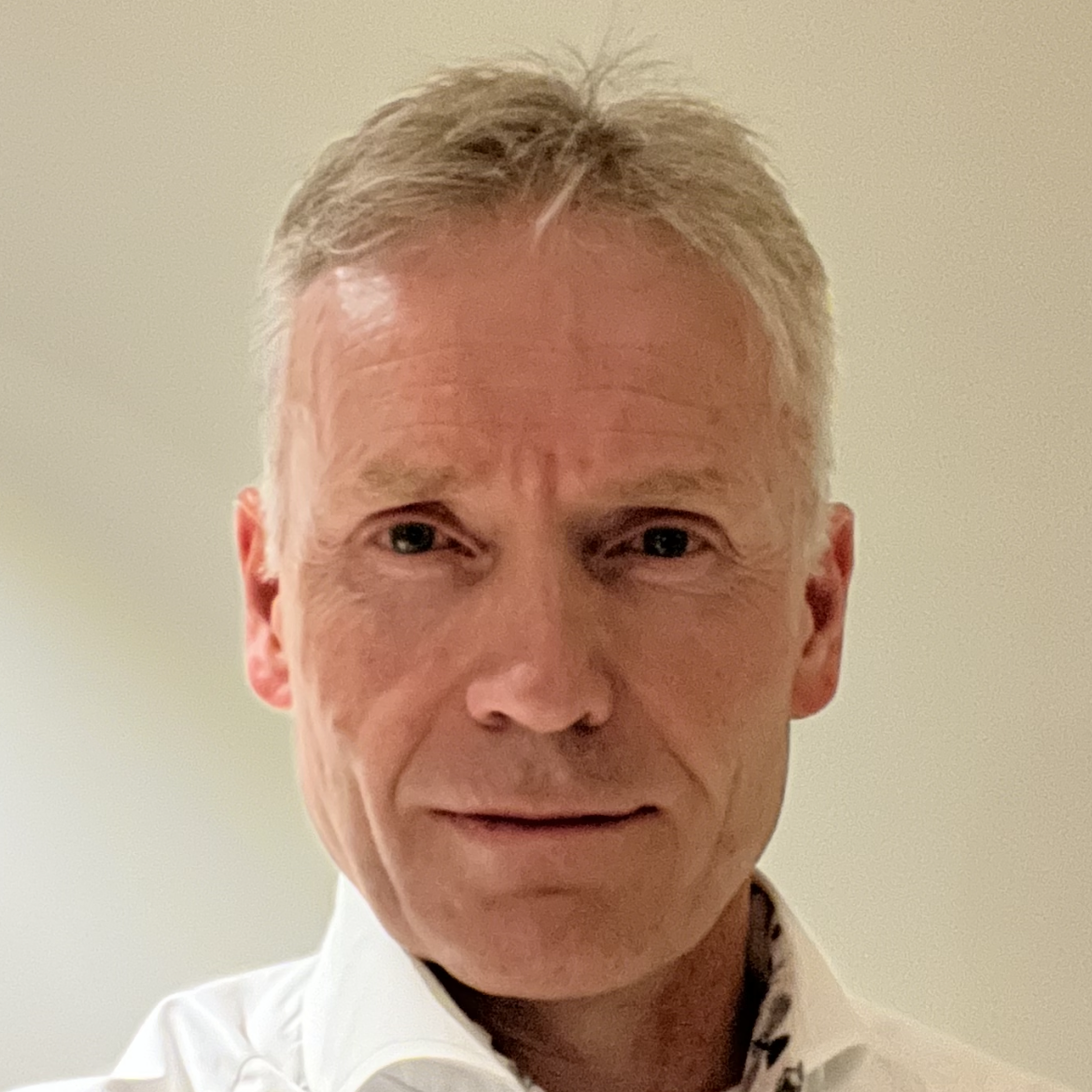
Andreas Jagtøyen is senior vice president for renewables and low carbon in Technology, Digital & Innovation (TDI). He leads integrated research and technology development, oversees technical and regulatory matters, and drives the development of RLC digital applications. His role includes enabling digital technologies across renewable and low-carbon operations and strengthening strategic supplier collaboration.
With more than 30 years of global operational experience in the maritime and energy industries, Jagtøyen has held several senior leadership roles within the Kongsberg Group, focusing on instrumentation, automation, simulation, and digital transformation. He has also co-founded, built, and led software and technology start-ups, contributing to innovation and commercial growth.
Jagtøyen holds a BSc in computer science from Trondheim University College. He has also participated in the prestigious Solstrand Programme, a leadership development initiative offered by AFF at the Norwegian School of Economics (NHH).
Christopher Knittel
Associate Dean for Climate and Sustainability, MIT Sloan School of Management ; Director, MIT Center for Energy and Environmental Policy Research

Christopher Knittel is the George P. Shultz Professor of Energy Economics, Professor of Applied Economics, and the Associate Dean of Climate, Energy, and Sustainability at the Sloan School of Management at the Massachusetts Institute of Technology. He directs MIT’s Center for Energy and Environmental Policy Research, which has served as the hub for social science research on energy and the environment since the late 1970s, and is the Director of MIT’s new Climate Policy Center, which works directly with policy makers to analyze existing, proposed, and potential policy measures. Finally, Knittel is the Director of the Inventing New Policy Approaches Mission for the Climate Project at MIT.
He joined the faculty at MIT in 2011, having taught previously at UC Davis and Boston University. At MIT he teaches Energy Economics and Policy to undergraduates, MBA students, and graduate students from outside of the Sloan School of Management. Knittel received his BA in economics and political science from the California State University, Stanislaus in 1994 (summa cum laude), an MA in economics from UC Davis in 1996, and a PhD in economics from UC Berkeley in 1999.
His research focuses on understanding how consumers and firms respond to changes in the energy environment, be it from prices or regulation, and what this means for the costs and benefits of policy. He is a research associate at the National Bureau of Economic Research in the Productivity, Industrial Organization, and Energy and Environmental Economics groups. He is the co-director of NBER’s Energy and Environmental Economics group. He is the former co-editor of the Journal of Public Economics, and an associate editor of the Journal of Transportation Economics and Policy, and Journal of Energy Markets, having previously served as an associate editor of The American Economic Journal — Economic Policy and The Journal of Industrial Economics. His research has appeared in The American Economic Review, The Journal of Political Economy, The American Economic Journal, The Review of Economics and Statistics, The Journal of Industrial Economics, The Energy Journal, and other academic journals.
Shaohui Liu
Postdoctoral Associate, MIT Department of Chemical Engineering and MIT Energy Initiative
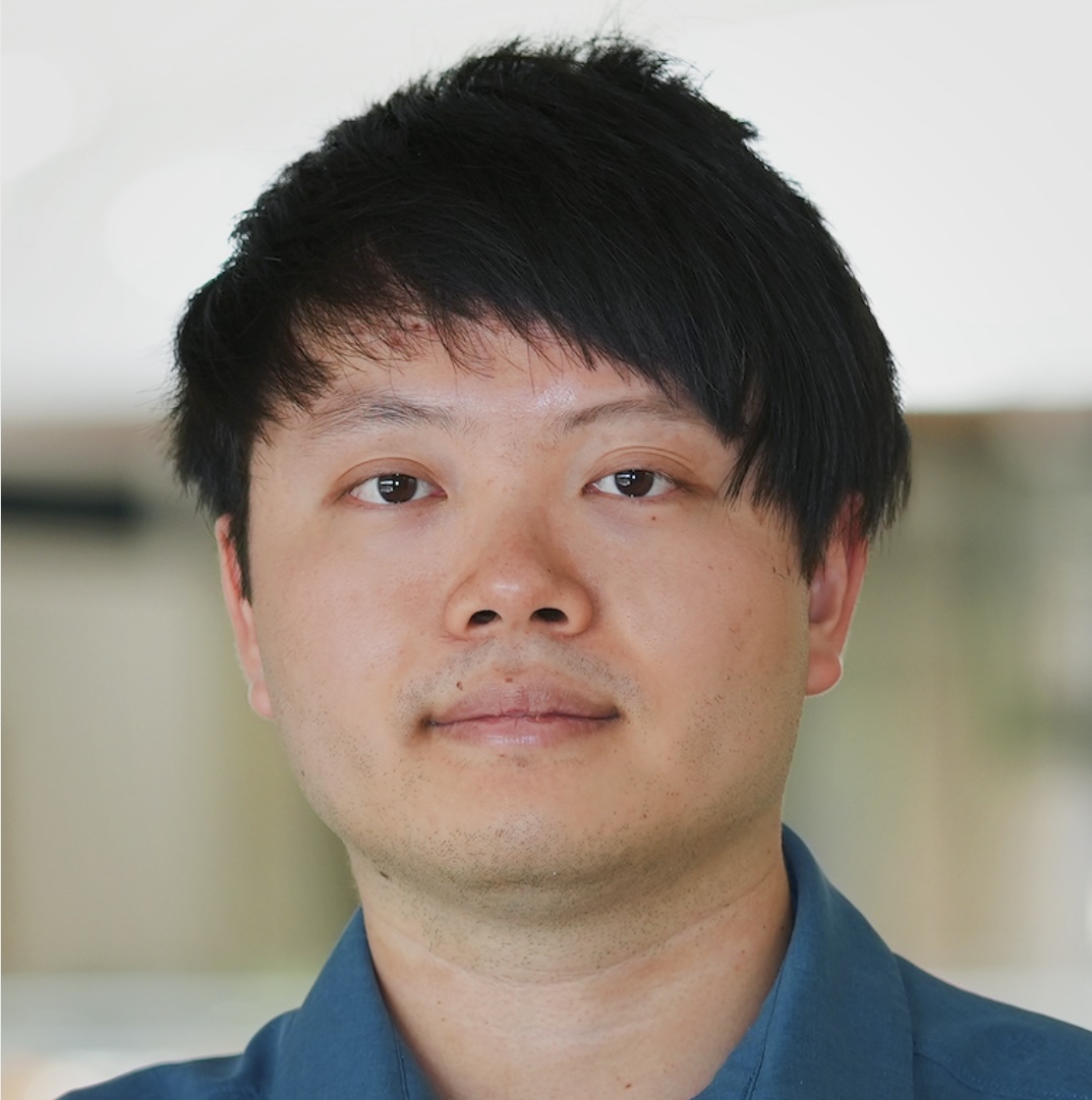
Shaohui Liu is a postdoc at the MIT Energy Initiative and Chemical Engineering. Liu’s current research focuses on using computational mathematics and machine learning tools to tackle challenging optimization and control problems in electric power grids, with applications in demand side flexibility, battery and data centers. He started his PhD study in applied math at Stony Brook University and received his PhD in electrical and computer engineering from the University of Texas at Austin. Liu was a research intern with Los Alamos National Lab, Argonne National Lab, and Amazon AWS. Liu is an IEEE member, secretary of IEEE Cloud4PowerGrid working group, core member of Energy Efficient High Performance Computing working group, and co-chair of upcoming 14th Energy Efficient Data Center workshop at ACM E-energy Conference.
Ruaridh Macdonald
Research Scientist, MIT Energy Initiative
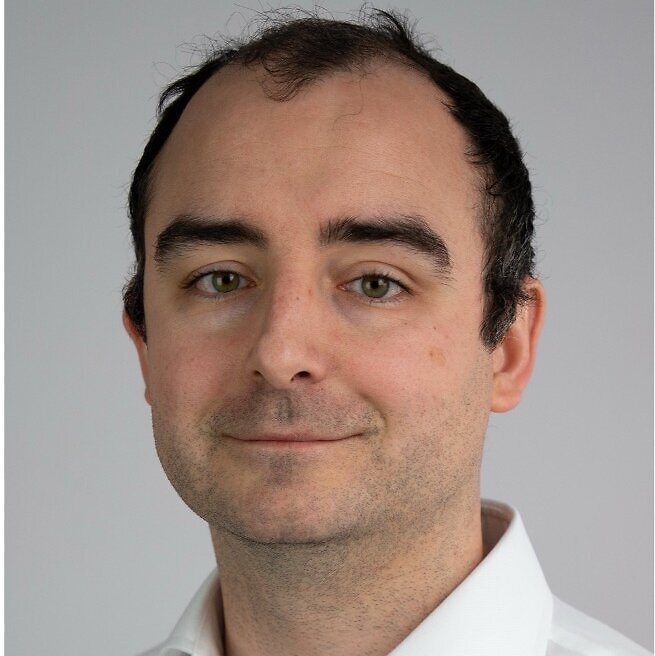
Ruaridh Macdonald is the energy systems research lead at the MIT Energy Initiative. His research explores how best to decarbonize the electricity grid and other sectors, and which technologies and policies will reduce the cost of the energy transition while ensuring grid resilience and security. He is developing novel approaches to modelling infrastructure planning which allow for larger multi-sector energy systems to be optimized over long time periods. This allows for technologies to be modelled with greater fidelity and considering interannual variation in energy supply and demand. Macdonald is a co-lead developer of the GenX, DOLPHYN, and Macro infrastructure planning models. He completed his PhD in nuclear science and engineering at MIT.
Michael A. Mehling
Deputy Director, MIT Center for Energy and Environmental Policy Research
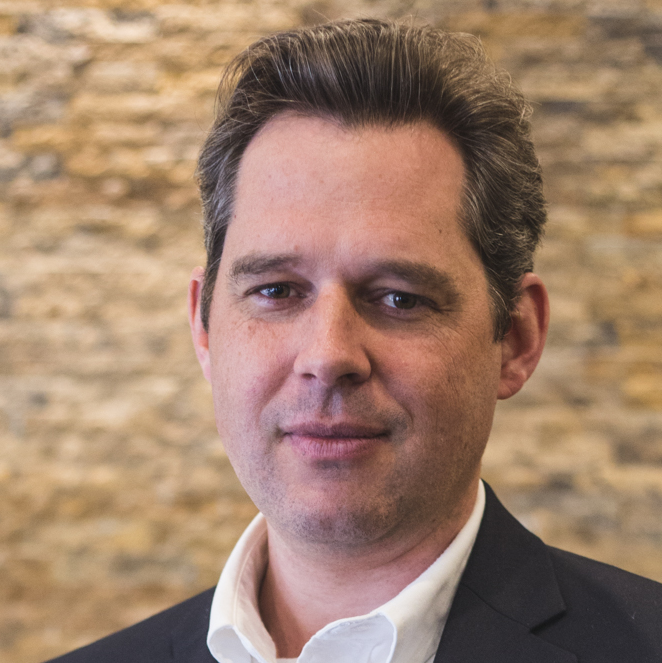
Michael Mehling is deputy director of the MIT Center for Energy and Environmental Policy Research. In his work, he focuses on climate policy design and implementation at the intersection with environmental, energy, financial market, and trade policy, and has advised decision makers in over a dozen countries, testified before or briefing legislators in the United States, the United Kingdom, and the European Union, and served as an expert in several climate litigation and arbitration cases. Previously, he was a professor at the University of Strathclyde in Glasgow and president of Ecologic Institute in Washington, DC. He helped pioneer several initiatives in the areas of climate law and policy, and is a founding board member of, inter alia, the Blockchain & Climate Institute (BCI) in London, the European Association of Climate Law (EACL) in Berlin, and the European Roundtable on Climate Change and Sustainable Transition (ERCST) in Brussels. He is also founder and editor-in-chief of the Carbon & Climate Law Review (CCLR), the first academic journal focused on climate law and regulation.
Jennifer Morris
Principal Research Scientist, MIT Center for Sustainability Science and Strategy and MIT Energy Initiative

Jennifer Morris is a principal research scientist at the MIT Center for Sustainability Science and Strategy and the MIT Energy Initiative. Her research focuses on energy-economic modeling and linkages between human and natural systems to explore multi-sector feedbacks and implications of different development, decarbonization and investment pathways. She also focuses on uncertainty, risk analysis, and decision-making in energy and environmental systems. This work involves quantifying key uncertainties (e.g. population growth, technology costs, resource availability, etc.), and applying different methodological approaches to models to formally represent such uncertainties and explore how they impact near-term decisions. Morris is a key contributor to the development of the MIT Integrated Global System Modeling (IGSM) framework, focusing on the human system component, the Economic Projection and Policy Analysis (EPPA) model. With this modeling framework, she develops integrated economic and climate scenarios, generates large ensembles, analyzes policy impacts, explores technology and mitigation pathways, and examines multi-sector dynamics. Morris holds a PhD in engineering systems and a MS in technology and policy from MIT.
Sergey Paltsev
Deputy Director, MIT Center for Sustainable Science and Strategy
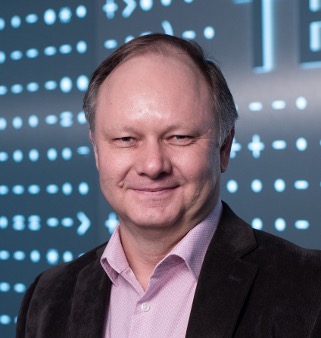
Sergey Paltsev is a deputy director of the MIT Center for Sustainability Science and Strategy (CS3) and a senior research scientist at MIT Energy Initiative, Massachusetts Institute of Technology (MIT), Cambridge, USA. He is the lead modeler in charge of the MIT Economic Projection and Policy Analysis (EPPA) model of the world economy. Paltsev is an author of more than 140 peer-reviewed publications in scientific journals and books in the area of energy economics, climate policy, transport, advanced energy technologies, and international trade. Paltsev was a lead author of the Fifth Assessment Report (AR5) of the Intergovernmental Panel on Climate Change (IPCC). He is a recipient of the 2012 Pyke Johnson Award (by the Transportation Research Board of the National Academies, USA, for the best paper in the area of planning and environment).
Additional information is available here.
Matt Reeves
Technology Vice President, Low Carbon Solutions, ExxonMobil

As the technology vice president for Low Carbon Solutions, Matt Reeves is responsible for technology development across multiple verticals in Low Carbon Solutions, including carbon capture, hydrogen, lithium and negative emissions platforms.
Prior to his current position, Reeves spent the previous four years as the new product development manager in the Low Carbon Solutions business, and responsible for development of new opportunities across the emerging business.
Reeves started with ExxonMobil as a technology deployment engineer in technology in Baytown, Texas in 1996. Over the next several years he worked between manufacturing and technology positions in Baytown, Thailand, and Rotterdam, operating facilities and deploying new technologies. In 2008, he moved to Singapore to take a business role as feedstock and optimization manager for Asia Pacific, which included new assets across in Singapore and throughout AP. In 2014, he returned to the U.S. to be the planning manager for major ventures, then moved to the Baytown Olefins Plant as the technical manager in 2015. In 2018, he took over as the basic chemicals technology manager, where he stayed until his current role in the newly formed Low Carbon Solutions business in 2021.
Christoph Reinhart
Alan and Terri Spoon Professor of Architecture and Climate, MIT Department of Architecture

Christoph Reinhart is a building scientist and architectural educator working in the field of sustainable building design and environmental modeling. At MIT, he is the inaugural Alan and Terri Spoon Professor of Architecture and Climate and head of the Sustainable Design Lab (SDL), an inter-disciplinary group with a grounding in architecture that develops design workflows, planning tools, and metrics to evaluate the environmental performance of buildings and neighborhoods. Outside of MIT, Reinhart is a managing member at Solemma, a technology company and served as strategic development advisor for MIT spinoff mapdwell until it joined Palmetto Clean Technology in 2021. Planning tools originating from SDL and Solemma are used in practice and education in over 90 countries.
Carlos Sanchez
Graduate Student, MIT Department of Electrical Engineering and Computer Science
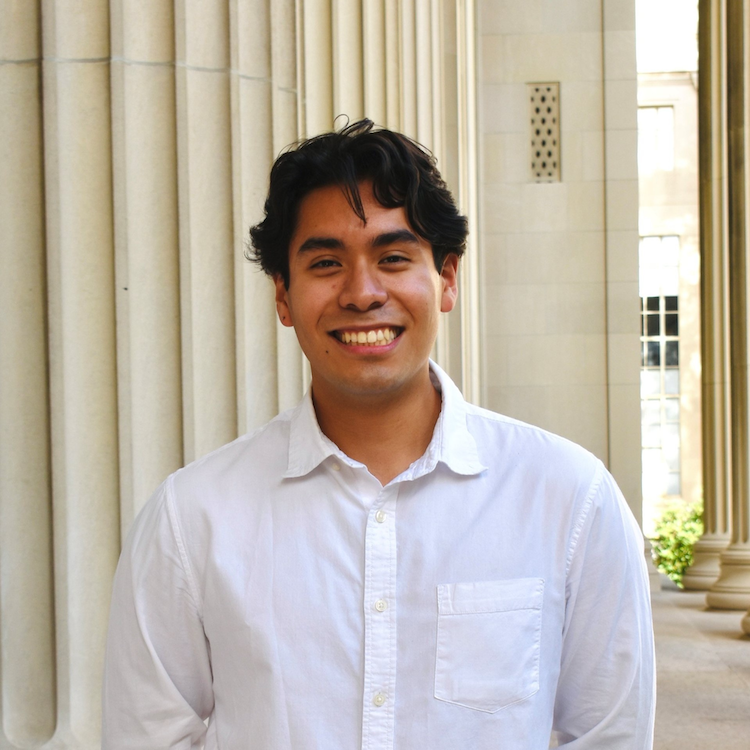
Carlos Sanchez is a master’s student of Electrical Engineering in Professor Coday’s Research Group. His research is focused on the intersection between power electronics and energy flow. Sanchez is specifically interested in the current, and future, sources and demanding loads of electric energy.
Ruhi Sarikaya
Vice President of Alexa AI, Amazon
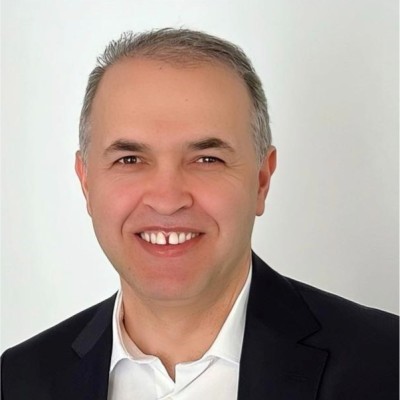
Ruhi Sarikaya is vice president of Alexa AI at Amazon leading a team of 700+ people. With his team, he has been building LLM based core AI capabilities around ranking, relevance, natural language understanding, dialog management, contextual understanding, proactive recommendations, personalization, self-learning, metrics, and analytics for Alexa. Prior to joining Amazon, he was a principal science manager and the founder of the language understanding and dialog systems group at Microsoft between 2011 and 2016. His group has built the language understanding and dialog management capabilities of Cortana, Xbox One, and the underlying platform. Before Microsoft, he was a research staff member and team lead in the Human Language Technologies Group at the IBM T.J. Watson Research Center for ten years. Prior to IBM, he worked as a researcher at the Center for Spoken Language Research (CSLR) at University of Colorado at Boulder for two years. He received his BS degree from Bilkent University, MS degree from Clemson University, and PhD degree from Duke University, all in electrical and computer engineering. He has published over 135 technical papers in refereed journal and conference proceedings and, is inventor of over 90 granted/pending patents. He serves on the advisory boards of several universities and engineering departments and is an Adjunct Research Professor at the Siebel School of Computing and Data Science at the University of Illinois Urbana-Champaign. He is also the executive sponsor of the Amazon–UIUC partnership. Sarikaya has served in the IEEE SLTC, the general co-chair of IEEE SLT’12, publicity chair of IEEE ASRU’05, and associate editor of IEEE Trans. on Audio, Speech and Language Processing and IEEE Signal Processing Letters. He was named IEEE SPS Distinguished Industry Speaker and is an IEEE Fellow.
Juan Senga
Postdoctoral Associate, MIT Center for Energy and Environmental Policy Research and MIT Climate Policy Center

Juan Senga is a postdoctoral associate at the MIT Center for Energy and Environmental Policy Research and the MIT Climate Policy Center. His research focuses on quantitative and economic modeling of policies that shape the energy transition, including analyses of U.S. transmission infrastructure legislation, the grid-level impacts of nuclear retirements, and the impact of data centers on power systems. Senga also conducts research on energy transition policies in Southeast Asia, covering topics such as biofuel and solar policy in Malaysia and Indonesia, nuclear generation and carbon taxation in the Philippines, and load forecasting in Singapore. Before joining MIT, Senga was a postdoctoral fellow in Supply Chain and Sustainability at Nanyang Technological University, Singapore. He holds a PhD from Nanyang Business School and a BS from Ateneo de Manila University.
Woojae Shin
Postdoctoral Associate, MIT Energy Initiative

Woojae Shin is a postdoctoral associate in the TEA Research Group at the MIT Energy Initiative (supervisor: Randall Field and Ruaridh Macdonald). He received his BS in mechanical and aerospace engineering and PhD in mechanical engineering from Seoul National University (advisor: Prof. Han Ho Song). His research centers on multiscale energy system investigating—from molecular to enterprise level—techno-economic analysis (TEA), and life-cycle assessment (LCA) to identify viable decarbonization pathways for hard-to-abate industries. At MIT, he leads and contributes to projects on global clean ammonia and hydrogen supply chain optimization, geologic hydrogen assessment, and carbon capture system benchmarking for industrial sectors. Prior to MIT, he served as a task force member for Korea’s Clean Hydrogen Certification System, where he spearheaded the emissions calculation methodology now foundational to the country’s clean hydrogen policy. His work regarding ammonia global supply chain and ethylene decarbonization has been featured in MIT News and selected as front cover articles in Energy & Environmental Science and Green Chemistry. He is a recipient of the Post-Doctoral Overseas Fellowship and the Global PhD Fellowship from the National Research Foundation of Korea.
David Shu
Postdoctoral Associate, MIT Energy Initiative and MIT Department of Chemical Engineering
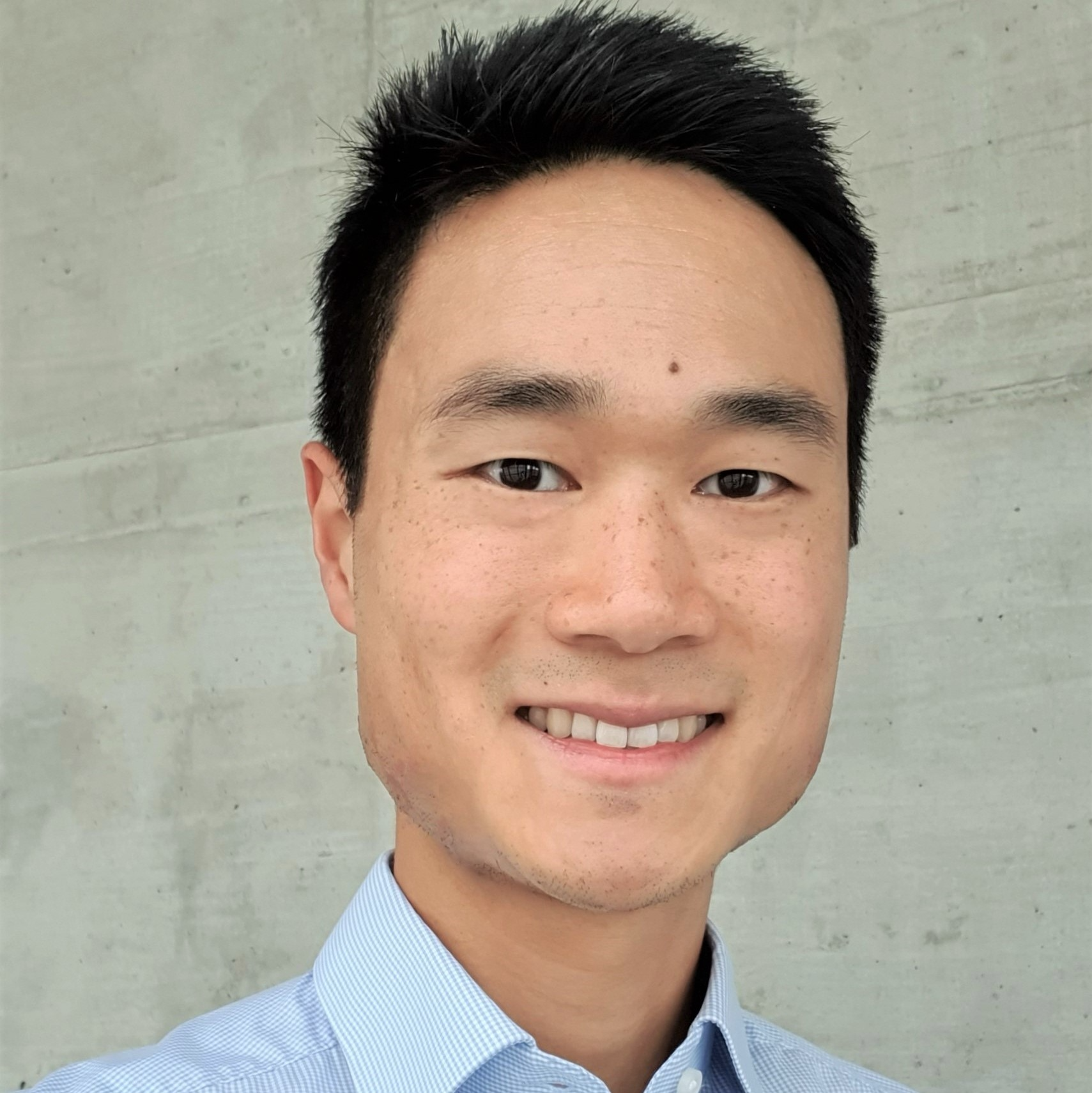
David Yang Shu is a postdoctoral associate at the MIT Energy Initiative and the Department of Chemical Engineering, where he develops nonlinear models for the design of carbon-capture units under uncertainty using GPU-accelerated optimization methods. His work connects process systems engineering with techno-economic analysis and life-cycle assessment to help industry deploy carbon capture and storage technologies with credible cost, performance, and environmental metrics.
Shu brings experience from large-scale demonstration projects: In the Horizon 2020 DMX™ Demonstration in Dunkirk (3D) project, he performed life-cycle assessments of a megatonne-scale CCS supply chain for steel production, covering capture, heat integration, conditioning, storage, and CO2 transport. In Switzerland’s DemoUpCARMA project, he evaluated the sustainability of transporting captured CO2 from Switzerland to Iceland for geological storage in basaltic rock.
His doctoral research at ETH Zurich focused on the design and operation of sustainable net-zero energy systems. He developed optimization-based approaches to quantify trade-offs between economic and environmental objectives and applied bilevel optimization to represent market interactions during the energy transition. His PhD thesis, Design and Operation of Sustainable Net-Zero Energy Systems, was awarded the ETH Medal for outstanding doctoral theses.
Robert Stoner
President, The Kendall Square Project
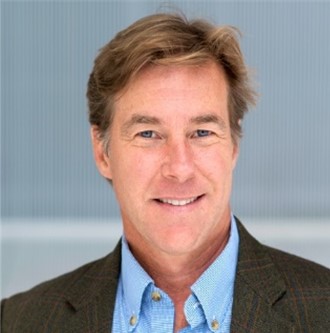
Robert Stoner is the president of The Kendall Square Project, an energy technology development and investment firm based in Cambridge, Massachusetts emphasizing carbon-free energy and energy efficiency. Immediately prior to forming Kendall, he served as interim director of the MIT Energy Initiative, and founding director of the MIT Tata Center for Technology and Design. In addition to his work with Kendall Square, he serves on the Innovation Advisory Council of Rio Tinto, and the boards of numerous technology startups. He has previously served on a variety of corporate boards and advisory bodies, including as chair of the Technical Advisory Committee of the corporate venture capital firm EniNext, and the Science and Technology Committee of the Alliance for Sustainable Energy which oversees the U.S. National Renewable Energy Laboratory. From 2007 through 2009, Stoner lived and worked in Africa and India while serving in the leadership of the Clinton Foundation, including as the CEO of the Clinton Development Initiative, and director of the Clinton Climate Initiative for Africa. Throughout his fifteen years at MIT, Stoner led the Universal Access Lab with his long-time collaborator Ignacio-Perez Arriaga with whom he also joined forces to establish the Rockefeller Foundation funded Global Commission to End Energy Poverty. Stoner is a serial entrepreneur, and the inventor of optical and computational techniques that have been widely adopted in the semiconductor and optics industries. He earned his PhD in physics from Brown University where he was also appointed as an adjunct professor of Engineering from 1997 through 2002.
Yogesh Surendranath
Professor, MIT Departments of Chemistryand Chemical Engineering
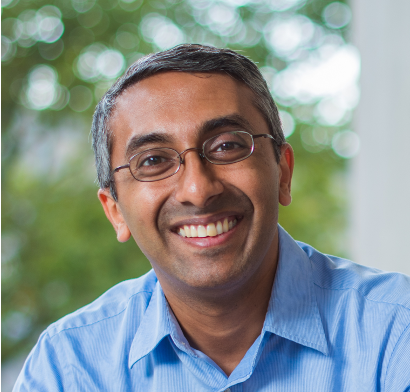
Yogesh (Yogi) Surendranath is the Donner Professor of Science with appointments in the Departments of Chemistry & Chemical Engineering at the Massachusetts Institute of Technology. He holds dual bachelor’s degrees in chemistry and physics from the University of Virginia and a PhD in inorganic chemistry from MIT, obtained under the direction of Professor Daniel Nocera. After receiving his PhD, Surendranath undertook postdoctoral studies as a Miller Research Fellow at UC Berkeley, under the direction of Professor Paul Alivisatos. In 2013, he launched his independent research program at MIT. The Surendranath group aims to address frontier challenges in energy conversion and sustainability by controlling interfacial reactivity at the molecular level.
Nicolas Tselentis
Graduate Student, MIT Department of Chemical Engineering

Nicolas Tselentis is an energy systems engineer currently pursuing his MSc in Energy Science and Technology at EPFL. He is presently completing his Master’s thesis at the Massachusetts Institute of Technology (MIT), where his research focuses on the integration of large-scale co-located datacenters to the grid.
Tselentis holds a BSc in electrical and electronics engineering from EPFL. This foundational background informs his current specialization in energy engineering, data analysis, and optimization. His technical expertise includes convex optimization, and smart grid technologies.
His current project at MIT aims to facilitate large load integration to the grid. This is achieved by employing Scenario-Based Optimal Power Flow, proposing a principled method for analyzing the benefits and drawbacks of standalone versus co-located datacenter connections balancing speed-to-power, reliability and stochastic delays.
Jakob Wegmueller
Graduate Student, MIT Department of Mechanical Engineering
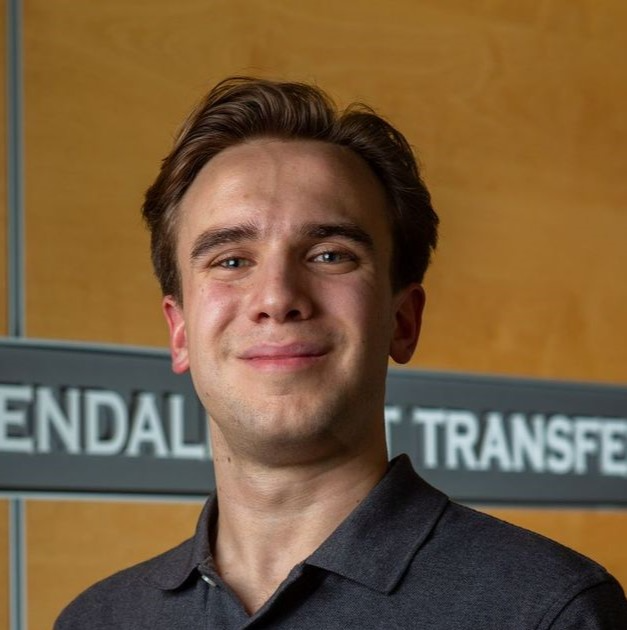
Jakob Wegmueller is a PhD candidate in the Deng Energy and Nanotechnology Group in mechanical engineering. His research focuses on challenges in solid-state battery manufacturing, including the techno-economic and life cycle analysis of competing cell designs and manufacturing pathways, alongside the experimental assessment and optimization of scalable spray synthesis methods for solid electrolytes. Previously, he earned a MS in mechanical engineering from MIT studying transport and techno-economic feasibility of desalination systems.
Dominic White
Postdoctoral Associate, MIT Center for Sustainability Science and Strategy
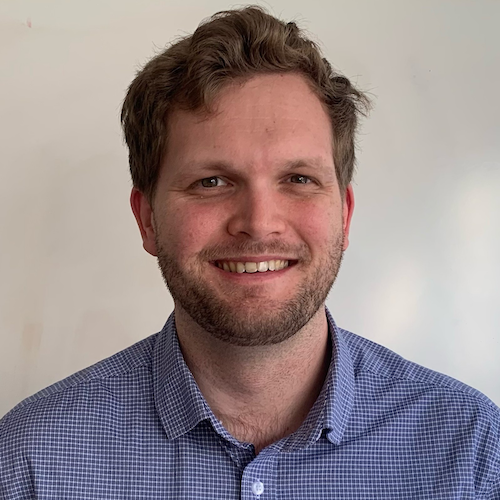
Dominic White earned an undergraduate and Honors degree in economics at the University of Western Australia and received his PhD from Auckland University of Technology. His doctoral research used input-output datasets (which describe the connections among industries) and economy-wide modeling to examine the economic and land-use-change implications of plastic use and climate change policies. This included an estimation of plastic use in industries in the U.S., the potential impacts of a shift from conventional clothing to clothing made without plastics or synthetic chemicals, and an analysis of the inclusion of both permanent and production forestry in the New Zealand Emissions Trading Scheme. At CS3, White’s research has used economy-wide modeling to investigate the impacts of extreme weather events and environmental policies on different regions in the U.S.
Anthony Wong
Postdoctoral Associate, MIT Center for Sustainability Science and Strategy

Anthony Y. H. Wong is currently a postdoctoral associate at Center for Sustainability Science and Strategy, MIT. He received his PhD degree from Boston University, focused on atmosphere-biosphere interaction and air quality. At MIT, he focuses on the investigating the environmental impacts of low carbon alternative fuels (e.g. hydrogen, ammonia), and applying machine learning to accelerate air quality modeling. His work on the climate and air quality impacts from ammonia-powered ships was selected as one of the highlight papers from Environmental Research Letters in 2024.
Justin Zhou
Graduate Student, MIT Department of Electrical Engineering and Computer Science
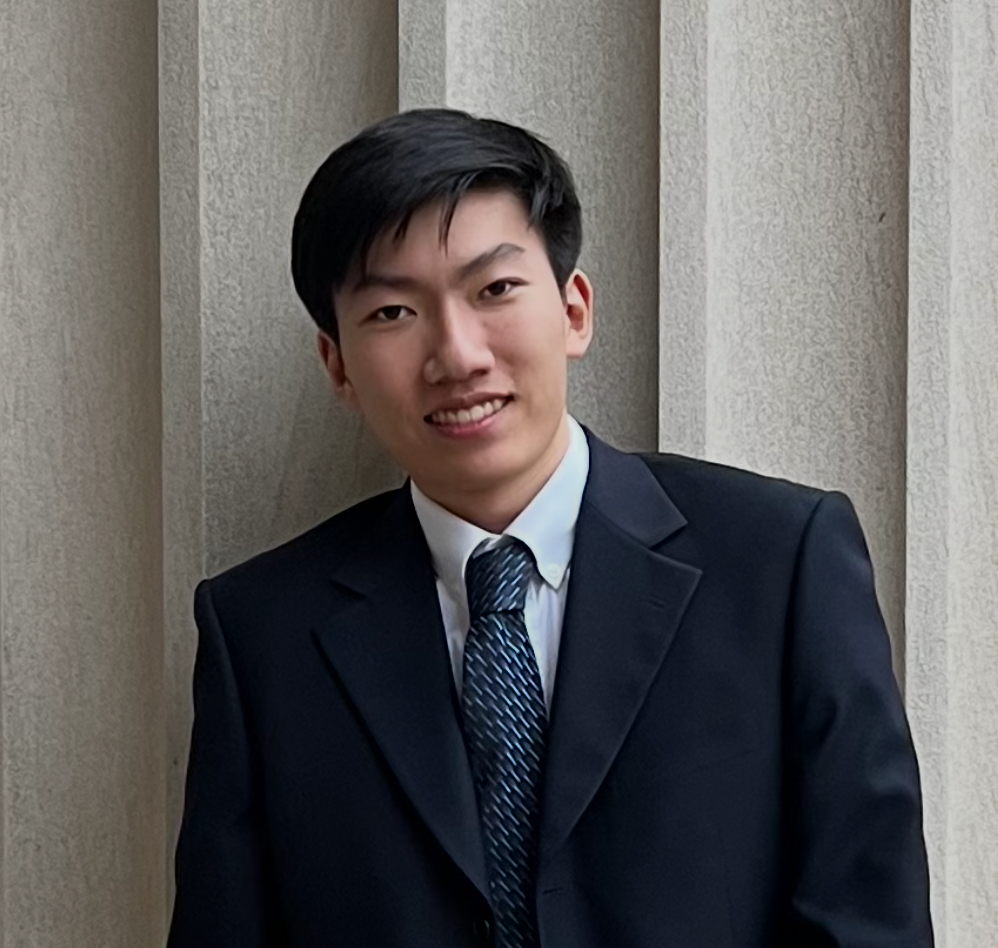
Justin Zhou is a first-year Master’s student in Computer Science and Mathematics at MIT, where he works with Ruaridh Macdonald at the MIT Energy Initiative. His current research focuses on identifying high-value R&D priorities for water and CO₂ electrolyzers using infrastructure planning models, evaluating how design choices affect outcomes from facility-level production costs to regional system costs. The modeling is carried out using the MacroEnergy.jl platform.
Zhou has been affiliated with the MIT Energy Initiative since before his freshman year and previously contributed to GenX and Dolphyn (predecessors to Macro), also with Ruaridh Macdonald.