This year’s symposium will focus on next-generation geothermal for firm power. With deployment of geothermal systems expected to increase rapidly over the next decade, we will explore how geothermal energy can help accelerate the energy transition.
The symposium, co-organized with the geothermal channel at MIT Proto Ventures, will bring together next-generation geothermal experts from MIT, multiple industry sectors, venture capital, and more, including Halliburton, Mazama, ResFrac, Sage Geosystems, Turboden, Underground Ventures, XGS Energy, and Zanskar. The day will start with an assessment of the tremendous opportunities for next-generation geothermal to enable the energy transition. The symposium will also explore cutting-edge advances in finding geothermal resources, analyzing the reservoirs, and accessing geothermal for enhanced, advanced, and superhot systems. Other sessions will cover the potential for power generation at up to grid scale, discuss economics and policy issues, and introduce MIT inventions for higher-temperature geothermal applications.
This event is open to MIT Energy Initiative Members and invited guests. Learn about the latest in geothermal and MITEI’s related efforts.
Agenda
| Wednesday, March 4 | |
| 7:30-8:30 am | Breakfast and registration |
| 8:30-8:35 am |
Opening
William H. Green, Director, MIT Energy Initiative; Hoyt C. Hottel Professor, |
| 8:35-8:45 am |
Welcome remarks
Karen Knutson, Vice President for Government Affairs, MIT |
| 8:45-9:30 am |
Keynote on the potential of next-generation geothermal energy
John McLennan, Co-Principal Investigator, Utah FORGE Project; Professor of Chemical Engineering, University of Utah Moderated by: Carolyn Ruppel, Deputy Director for Science and Technology, MIT Energy Initiative |
| 9:30-10:30 am |
Assessing the resource Koenraad Beckers, Geothermal Engineering Lead, ResFrac Moderated by Ruben Juanes, Professor, MIT Departments of Civil and Environmental Engineering and Earth, Atmospheric and Planetary Sciences |
| 10:30-10:45 am | Break |
| 10:45-11:45 am |
Accessing the resource part 1 Sam Abraham, Global Technical Advisor – Geothermal, Low Carbon Solutions, Halliburton Energy Services Moderated by Stephen J. Wukitch, Interim Director, MIT Plasma Science and Fusion Center |
| 11:45 am-12:45 pm |
MIT innovations for next-generation geothermal MIT researcher lightning talks on inventions for higher-temperature geothermal applications Matěj Peč, Associate Professor of Geophysics, MIT Department of Earth, Atmospheric and Planetary Sciences Moderated by Andrew Inglis, Venture Builder, Geothermal Channel, MIT Proto Ventures |
| 12:45-1:45 pm | Lunch |
| 1:45-2:45 pm |
Accessing the resource part 2 Novel strategies and recent successes in next-generation geothermal energy Matt Houde, Co-Founder and Chief of Staff, Quaise Energy Moderated by Andrew Inglis, Venture Builder, Geothermal Channel, MIT Proto Ventures |
| 2:45-3:45 pm |
Generating power Innovations and approaches to efficient, economic production of firm power at scale Christian Besoiu, Team Lead, Technology Development, Eavor Moderated by Pablo Duenas-Martinez, Research Scientist, MIT Energy Initiative |
| 3:45-4:00 pm | Break |
| 4:00-5:00 pm |
Economics and policy The regulatory climate and economic feasibility for next-generation geothermal and how to spark investment Charles Gertler, CEO and Co-Founder, New Mantle Technologies Moderated by: Terra Rogers, Program Director, Superhot Rock Energy, Clean Air Task Force |
| 5:00-5:10 pm | Wrap up Moderated by: Carolyn Ruppel, Deputy Director for Science and Technology, MIT Energy Initiative |
| 5:10-6:15 pm | Reception and poster session Posters featuring MIT research and activities on all aspects of geothermal energy
Olivia Chen, Undergraduate Student, MIT Department of Mechanical Engineering |
About the speakers
Sam Abraham
Global Technical Advisor – Geothermal, Low Carbon Solutions, Halliburton Energy Services
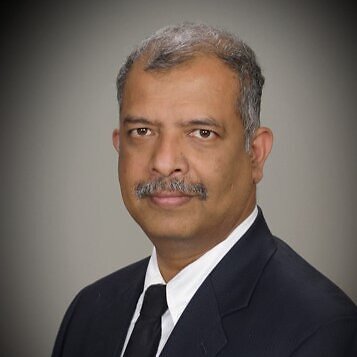
Sam Abraham has an MS degree in petroleum technology and an MS degree in engineering management. He has over 30 years of experience in the drilling industry, with his initial 10 years in the oil and gas industry, exploration and production wells in Indonesia (offshore and onshore), followed by 20 years in the geothermal industry in Indonesia, New Zealand, Turkey, Western USA, Hawaii, Dominica, Kenya, Tanzania, Djibouti, Ethiopia and Philippines.
Abraham worked as the senior drilling project manager and coordinator with various private operators directing geothermal field operations including drilling, especially on remote drilling and start up projects, on deep, high temperature geothermal wells.
He has worked as senior advisor and trainer for International Geothermal Association (IGA) and UNEP for geothermal project management courses. He is an executive board member of Ignis Energy (a geothermal developer). He is also a member of the External Advisory Board of Geothermal Development Company (GDC), a Government of Kenya company.
Abraham performed due diligence work on the new EGS technologies being developed in the renewable energy market to cope the climate change issues. He prepared the DOE Geothermal 101Guidebook as a part of the DOE Project Lift off and presented at the DOE Geothermal Workshop in Washington DC in August 2024 on behalf of Halliburton and all the other oil field service companies.
He is technical advisor of the LBNL-SNL geothermal research projects for the Department of Energy and the International Geothermal Association (IGA) and has published 25 technical papers. He is a member of IGA, SPE, American Association of Drilling Engineers (AADE), and Project Management Institute (PMI).
Koenraad Beckers
Geothermal Engineering Lead, ResFrac
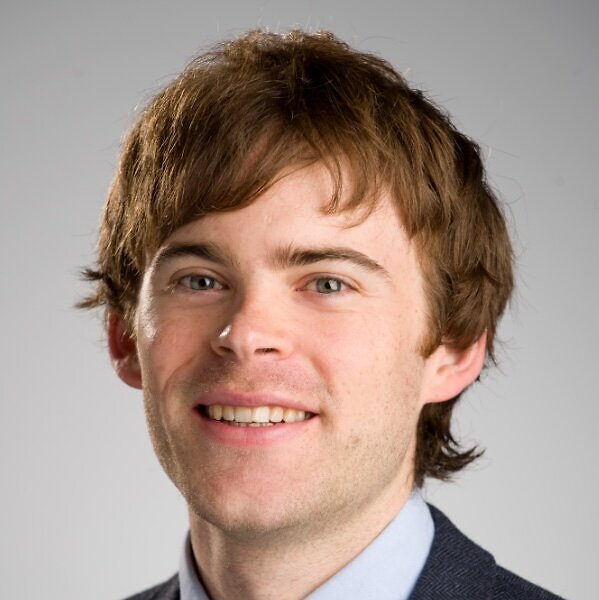
Koenraad Beckers is the geothermal engineering lead at ResFrac focusing on performing subsurface analysis, conducting geothermal simulation studies, creating training and support material, and teaching training courses. Prior to Joining ResFrac, Beckers was a research engineer at the National Renewable Energy Laboratory in Golden, Colorado. Beckers holds a Bachelor and Master of Science in mechanical engineering from the University of Leuven, Belgium and a PhD in chemical engineering from Cornell University.
Christian Besoiu
Team Lead, Technology Development, Eavor
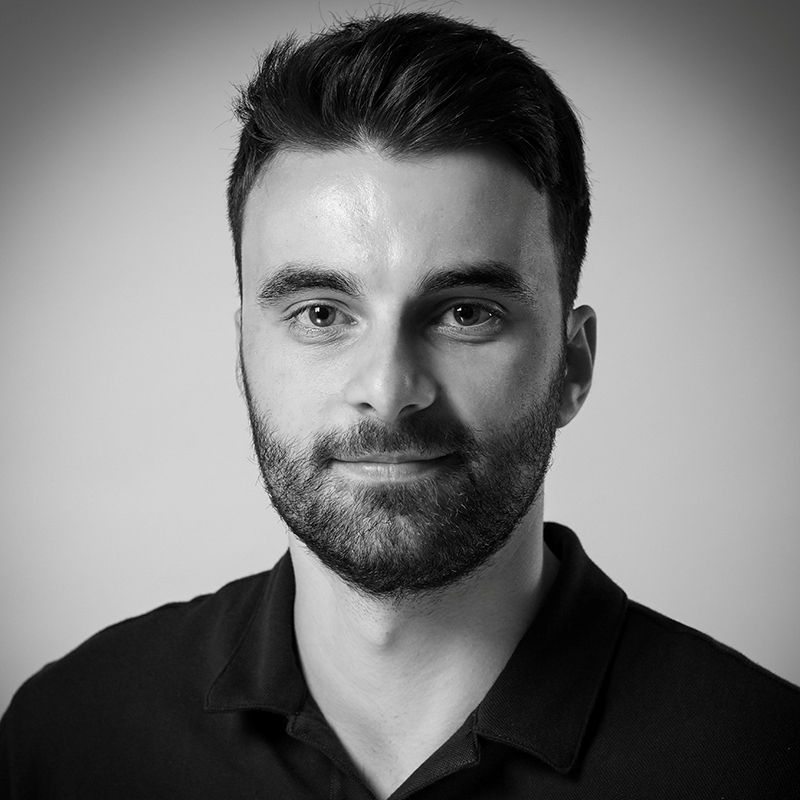
Christian Besoiu holds an Honours BSc in chemical engineering from the University of Toronto. He joined Eavor in 2021 and leads systems engineering, with a focus on technology development and corporate strategy, supporting the global implementation of Eavor-Loop technology. He is a co-author of multiple papers and a named inventor on over a dozen patent applications in closed-loop geothermal.
Joseph Bonafin
Director of Next-Generation Geothermal, Turboden S.p.A.
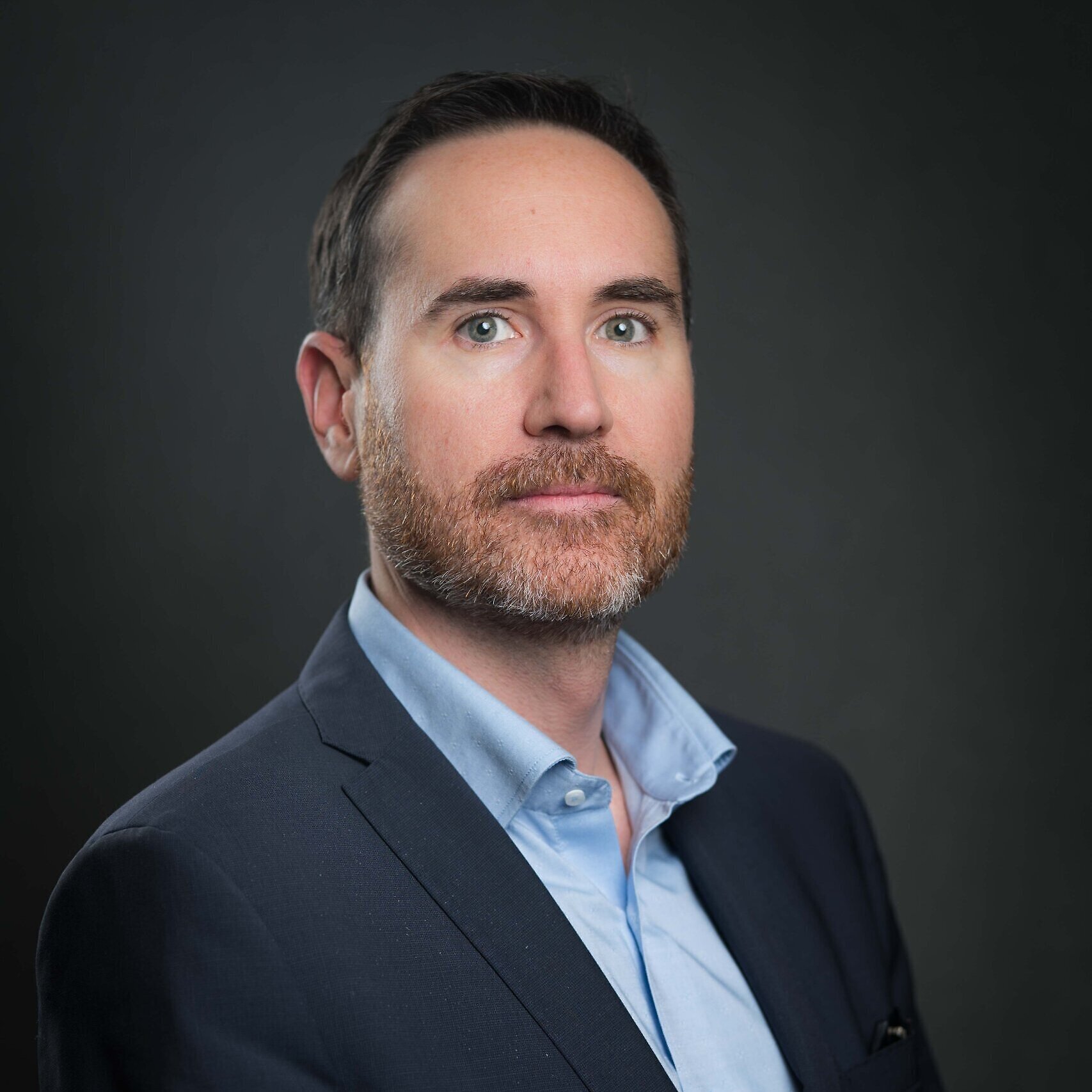
Joseph Bonafin holds a Master’s degree in mechanical engineering with a specialization in power generation systems. He joined Turboden, a Mitsubishi Heavy Industries Group company, in 2009 and has since accumulated extensive experience in business and product development. As director of Next-Generation geothermal, Bonafin leads global projects, overseeing every phase–from early technical development to the finalization of commercial negotiations. A strong advocate for innovation, Bonafin has played a pivotal role in implementing some of the world’s first advanced and enhanced geothermal projects. His expertise in geothermal power plants and turnkey projects has contributed to groundbreaking advancements in the industry on a global scale.
Pablo Duenas-Martinez
Research Scientist, MIT Energy Initiative
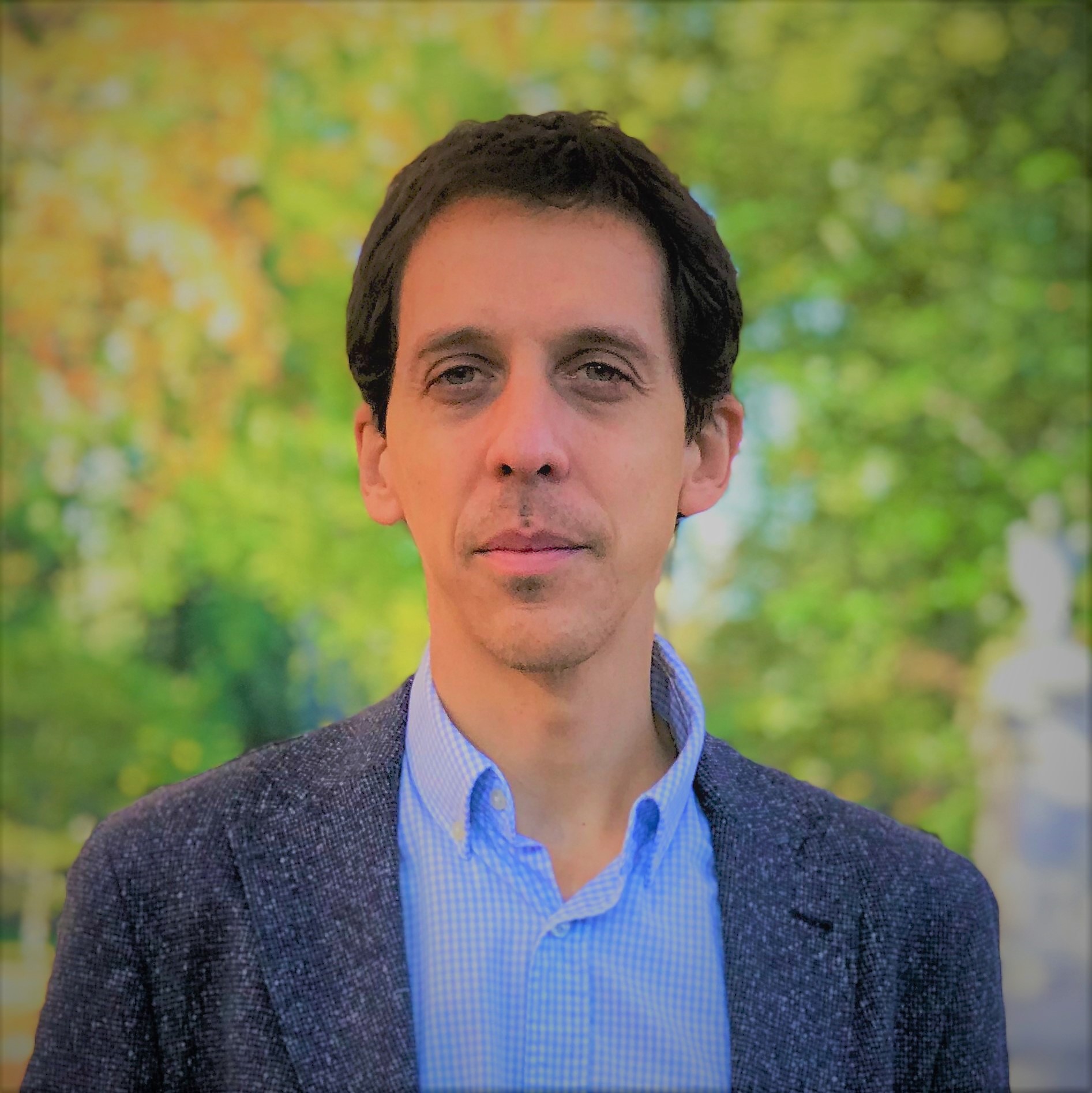
Pablo Duenas-Martinez is a research scientist at the MIT Energy Initiative, and research assistant professor at Universidad Pontificia Comillas. His research area embeds the economic and regulatory modeling and analysis, and the role of traditional and new generation technologies in shaping the energy systems of the future, in low- to high-income countries, within a carbon-constrained world. He has published on topics such as liberalization and regulation of gas and electricity markets, energy security of supply and resiliency in decarbonizing economies, impact of distributed energy resources, analysis and regulation for universal energy access, and mathematical modeling of energy systems. During his career, he has worked with power and gas utilities, as well as government and regulatory agencies, on research projects and to provide advice aimed at improving operations and investments in energy systems worldwide. He obtained his BS in industrial engineering, MS in electric power systems, and PhD in electrical engineering at the Universidad Pontificia Comillas in Madrid, Spain; and received a BS in economics from the National Distance Education University in Madrid, Spain.
Joel Edwards
Co-Founder and CTO, Zanskar
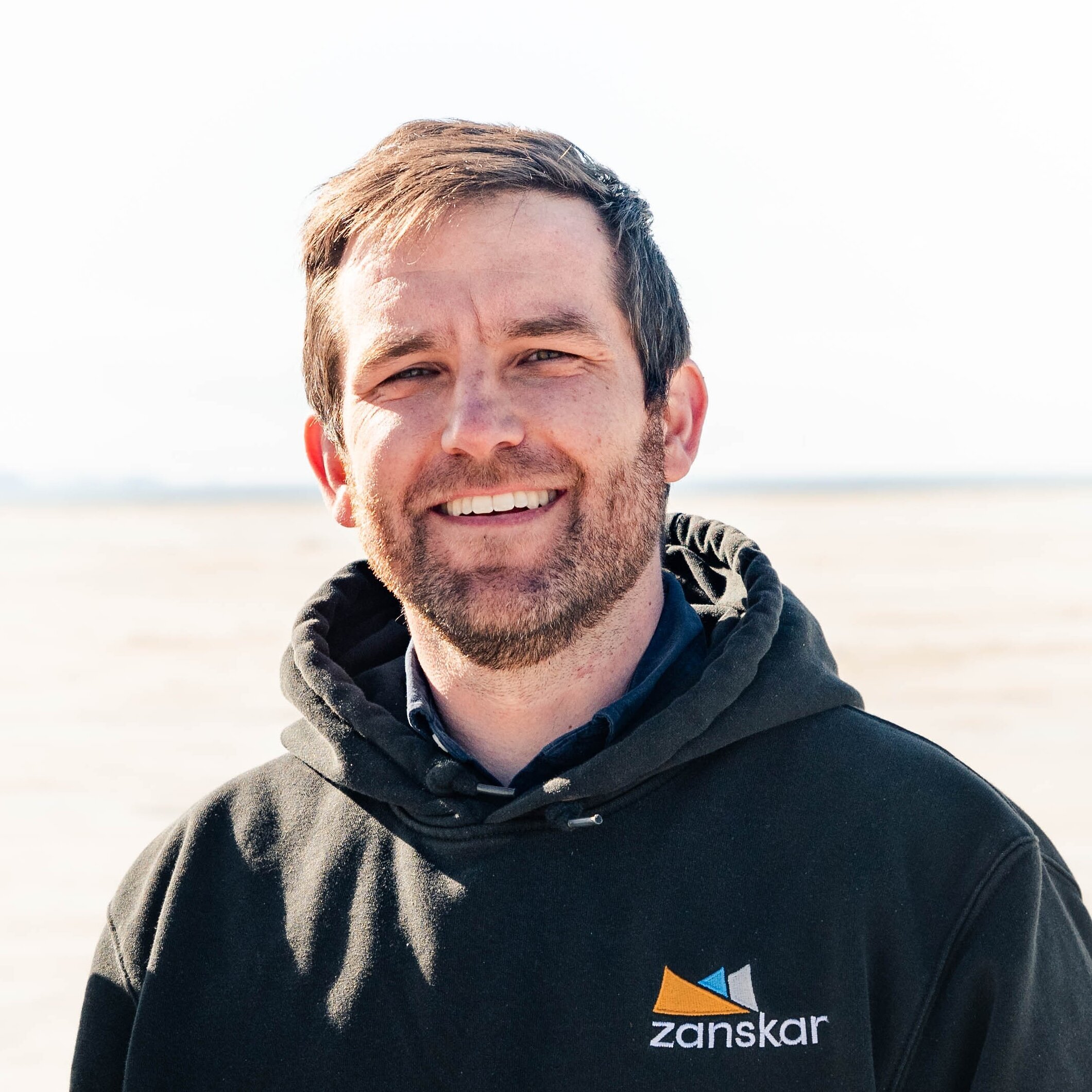
Joel Edwards is the co-founder and CTO at Zanskar, a venture backed company utilizing custom-built AI tools to find, develop, and operate new geothermal resources for clean, firm, power generation. Prior to Zanskar, Joel Edwards his PhD in earth sciences from the University of California, Santa Cruz, his MS in geology from University of Nevada, Reno, and his BS in geology from Brigham Young University.
Charles Gertler
CEO and Co-Founder, New Mantle Technologies
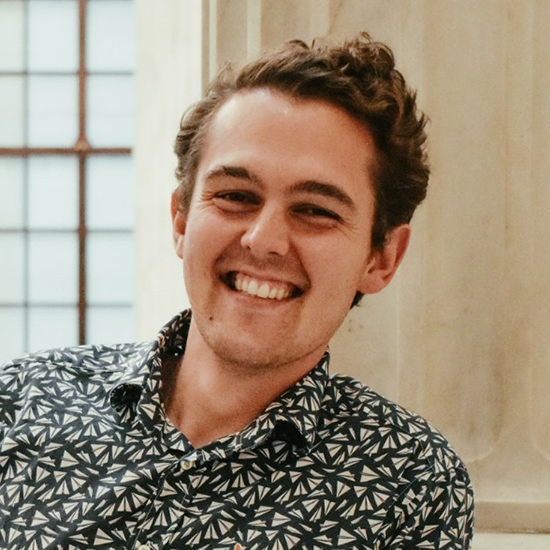
Charles Gertler is CEO and co-founder of New Mantle Technologies (NMT). NMT uses AI and physics to build geophysical foundation models for geothermal development, inventing exploration tools that unlock the decarbonization potential of the Earth’s subsurface. Prior to NMT, Gertler worked on commercialization of emerging energy technologies in the U.S. Department of Energy, where he was a lead author on the Pathways to Commercial Liftoff reports on Next-Generation Geothermal Power. Gertler previously worked in the Climate & Sustainability practice at the Boston Consulting Group, as an energy and environment aide in the U.S. Senate, and as a field glaciologist in the Nepali Himalaya. Gertler holds a PhD in earth, atmospheric, and planetary sciences from MIT, an MPhil in polar studies (glaciology) from the University of Cambridge, and an AB in earth and planetary sciences from Harvard University.
William H. Green
Director, MIT Energy Initiative; Hoyt. C Hottel Professor, MIT Department of Chemical Engineering
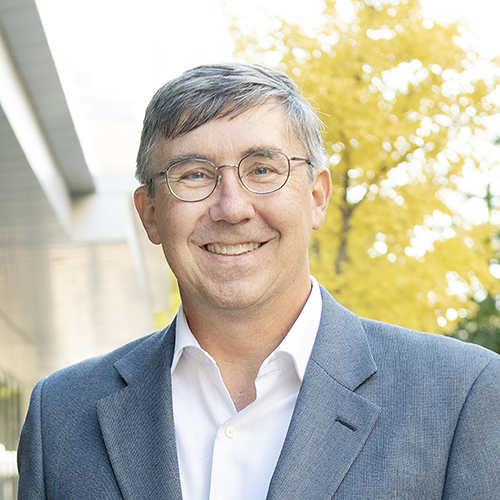
William H. Green, the Hoyt C. Hottel Professor at MIT, is a world leader in chemical kinetics, reaction engineering, prediction of chemical reactions and properties, and in development of related software. He has led many combined experimental/modeling research projects related to fuels, combustion, pyrolysis, and oxidative stability, and he invented an instrument to directly measure rate coefficients for multi-channel reactions. He developed computer methods to predict the behavior of complicated reacting mixtures, many of which are included in the open source Reaction Mechanism Generator software package, a type of AI expert system for reactive chemistry. The associated popular website rmg.mit.edu includes estimators for many chemical properties and several databases. Green co-invented several algorithms and numerical methods helpful for handling complicated chemical kinetics. His group has also developed machine-learning methods and software (ASKCOS and Chemprop) for accurately predicting the products of organic reactions and for predicting many chemical and reaction properties. Chemprop, whose recent versions were developed primarily by Green’s research group, is currently the most popular open-source chemistry software on GitHub. It is heavily used by the pharmaceutical industry, to predict the properties of proposed new drug molecules. Green also invents and analyzes technologies to reduce greenhouse gas emissions, particularly in the transportation/fuel sector. Two of his greenhouse-gas reduction inventions are now being commercialized, one by Thiozen, a company he co-founded. Recently he has been developing and analyzing technology options for decarbonizing the freight sector, with a special interest in long-haul trucking.
Green earned his BA from Swarthmore College, and his PhD in physical chemistry from the University of California at Berkeley under the supervision of C. Bradley Moore. After postdocs at Cambridge University with Nicholas Handy and at the University of Pennsylvania with Marsha Lester, he worked for Exxon Research & Engineering for six years before joining the Chemical Engineering faculty at MIT in 1997. Green has co-authored more than 350 journal articles, which have been cited more than 23,000 times. He is a fellow of the AAAS and of the Combustion Institute, and has received the American Chemical Society’s Glenn Award in Energy & Fuel Chemistry and the AIChE’s Wilhelm Award in Reaction Engineering. He convened and organized the International Conference on Chemical Kinetics in 2011, and now serves as treasurer of that conference series. More than 20 of his former graduate or postdoctoral students are now tenured or tenure-track faculty. He previously served as the editor of the International Journal of Chemical Kinetics, as the faculty chair of MIT’s Mobility of the Future project, and as the executive officer of the MIT Department of Chemical Engineering. He was appointed director of the MIT Energy Initiative in Spring 2024.
Matt Houde
Co-Founder and Chief of Staff, Quaise Energy

Matt Houde is the co-founder and chief of staff of Quaise Energy. He is responsible for ensuring alignment and coordination of all workstreams in the company and works with Quaise leadership to synthesize the commercial strategy and technology development roadmap for superhot geothermal. In his prior role, Houde was the project manager for the $5M grant that Quaise received from the U.S. Department of Energy’s Advanced Research Projects Agency – Energy (ARPA E) to develop MMW drilling technology that can enable worldwide access to the superhot geothermal heat that is miles beneath our feet.
Andrew Inglis
Venture Builder, Geothermal Channel, MIT Proto Ventures
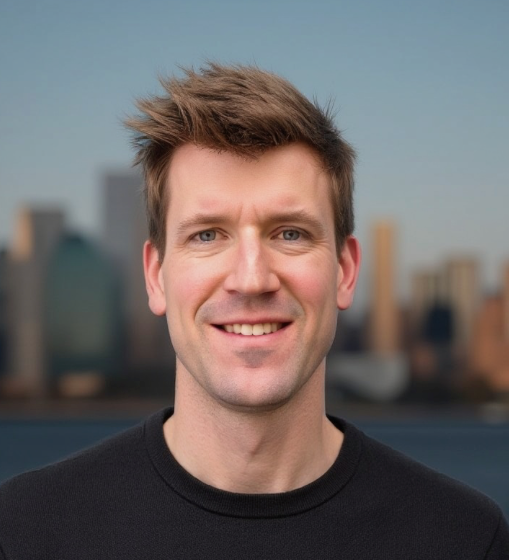
Andrew Inglis is an accomplished applied physicist with over 15 years of experience in transforming advanced electro-physics technologies from concept to market-leading products. As the founder of Silverside Detectors, he developed and commercialized low-cost neutron radiation detectors, specifically designed for large scale deployments for nuclear non-proliferation and agricultural water management.
He has recently joined Proto Ventures, MIT’s Venture Studio, to focus on deploying innovations that will help geothermal become one of the world’s main sources of baseload clean electrical and heat energy.
He earned his PhD in physics from Boston University and MS in engineering science from the University of Virginia.
Ruben Juanes
Professor, MIT Departments of Civil and Environmental Engineeringand Earth, Atmospheric and Planetary Sciences
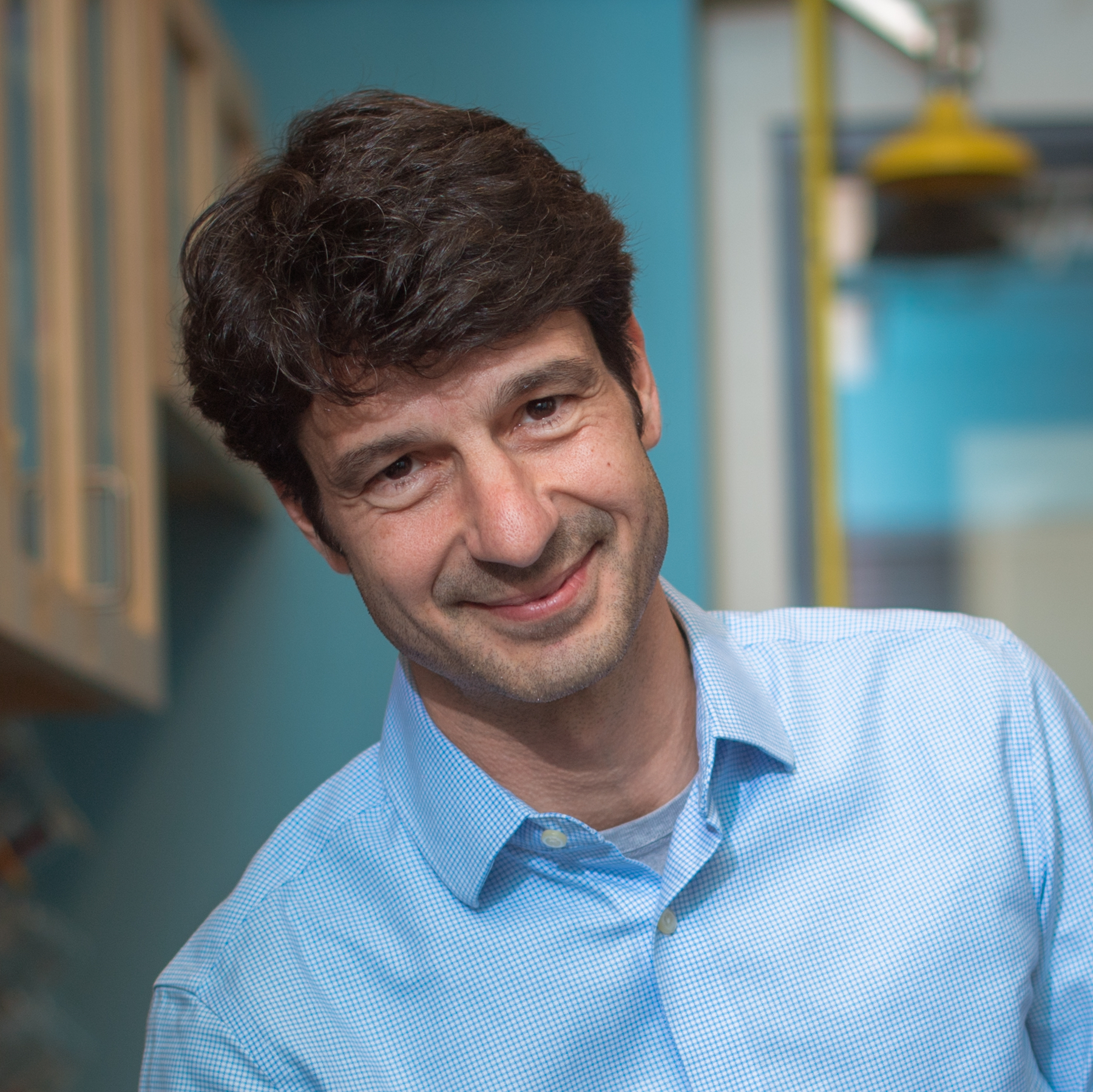
Ruben Juanes is professor in Civil and Environmental Engineering, and Earth, Atmospheric and Planetary Sciences at MIT, where he has been since 2006. He is an expert in fluid flow through porous media and in geomechanics, and has applied his research to the fields of energy resources, carbon capture and storage, gas hydrates, water infiltration and soil irrigation, and induced seismicity. He holds an undergraduate degree from University of A Coruña (Spain) and graduate degrees from UC Berkeley, all in civil and environmental engineering. He is a fellow of the American Geophysical Union (2023) and the American Physical Society (2024), and recipient of the InterPore Medal for Porous Media Research (2026).
Karen Knutson
Vice President of Government Affairs, MIT
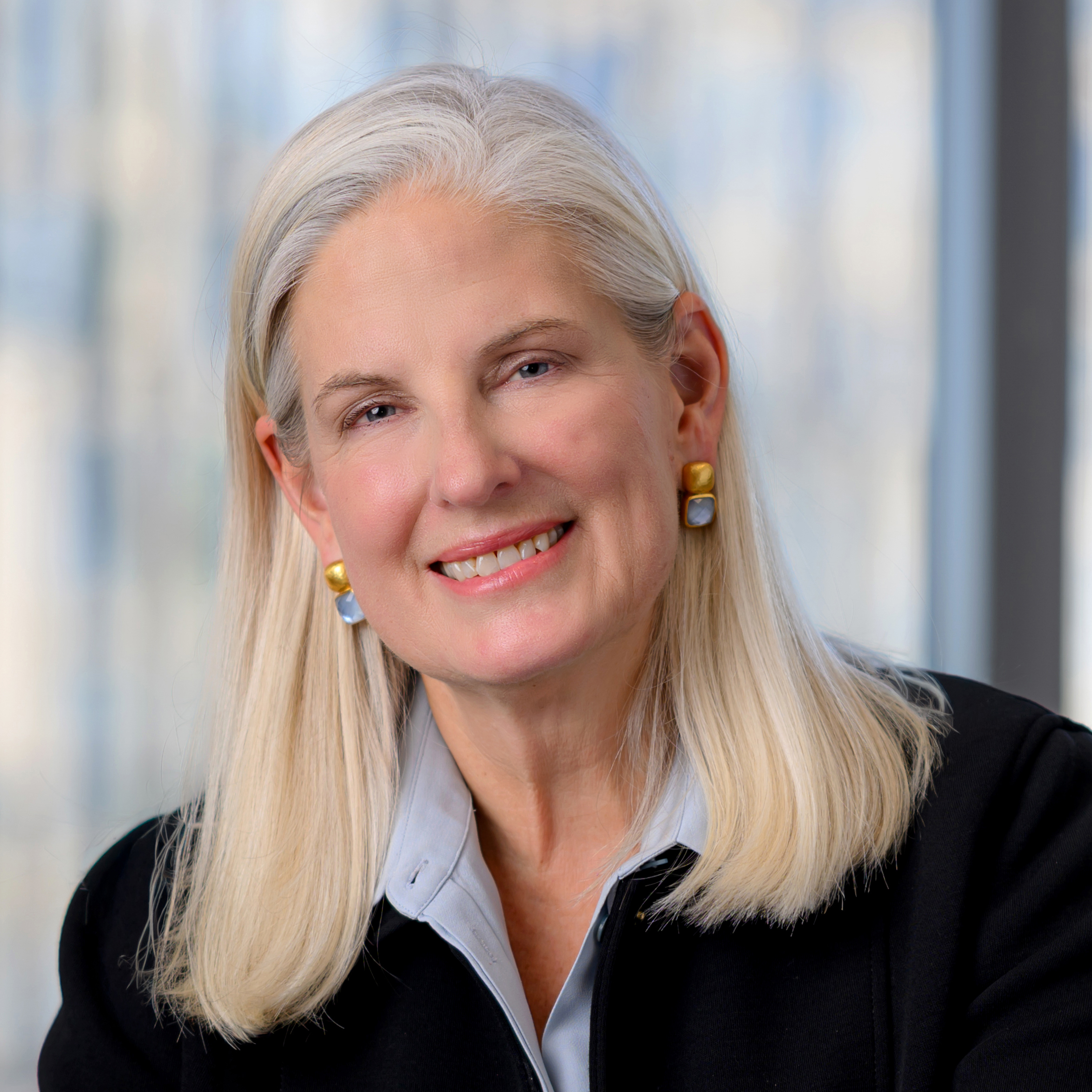
Karen Knutson is vice president for government affairs. With oversight of the Office of Government and Community Relations and the MIT Washington Office, she is responsible for advancing the Institute’s educational and policy interests at the federal, state, city, and community levels and serves as the president’s senior advisor on government engagement.
Previously, as vice president and general manager for government affairs at Chevron, Knutson led a 60-person team responsible for government affairs around the world, including advocacy for its new energy portfolio, from hydrogen to carbon capture, utilization and storage.
Knutson spent her early career in the U.S. Senate, gaining a strong foundation in the legislative process and building her expertise in energy and environmental policy as she worked with influential senators including Frank Murkowski, Kay Bailey Hutchison, and Sam Brownback. She joined the Bush Administration in 2001, serving as the deputy assistant to Vice President Cheney for domestic policy, with a focus on energy policy. Knutson went on to spend four years as Senator Lisa Murkowski’s chief of staff, helping her win a historic write-in campaign and navigate the politics of being the U.S. Senate’s key swing vote. Knutson has also held top policy and government relations roles across the energy and agricultural food products industries.
A native of Alaska, Knutson earned her bachelor’s degree in political science with a minor in economics from the University of Alaska Fairbanks and her law degree from Wake Forest.
Igor Kocis
Founder, GA Drilling
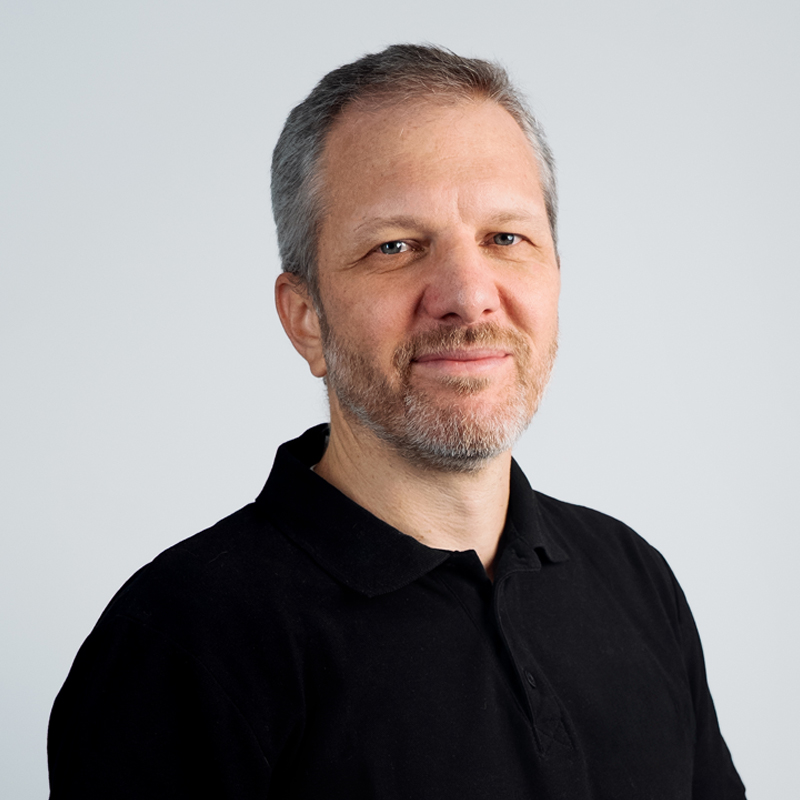
Igor Kocis is the founder of GA Drilling and a driving force behind the company’s mission to bring deep geothermal as a global, 24/7 clean energy source. With his background in electrical engineering and under his leadership, GA Drilling has developed breakthrough drilling technologies that make baseload geothermal viable anywhere, at fossil fuel speed and cost. With a team of world-class engineers and entrepreneurs, he has built an international company that bridges deep-tech innovation with strategic capital and deployment. Named among Central and Eastern Europe’s Top 100 Innovators, Kocis is focused not on optimizing the past, but on replacing it. Together with GA Drilling, he is turning geothermal from promise into widespread infrastructure and a true energy transition solution.
Torsten Kolind
Managing Partner, Underground Ventures

Torsten Kolind is the managing partner of Underground Ventures, a specialized geothermal tech venture fund. UGV invests in early-stage geothermal tech companies across North America and Europe. Prior to UGV, Kolind co-founded grant evaluation platform YouNoodle in San Francisco, and serves as an expert evaluator for Innovation Fund Denmark, collective member at Nordic VC fund byFounders, and an advisor to early-stage VC fund Antler. Kolind is also an angel investor in multiple women’s health companies, and startup advisor for the Alliance of Democracies.
Pete Lumley
Communications Director, Mazama Energy
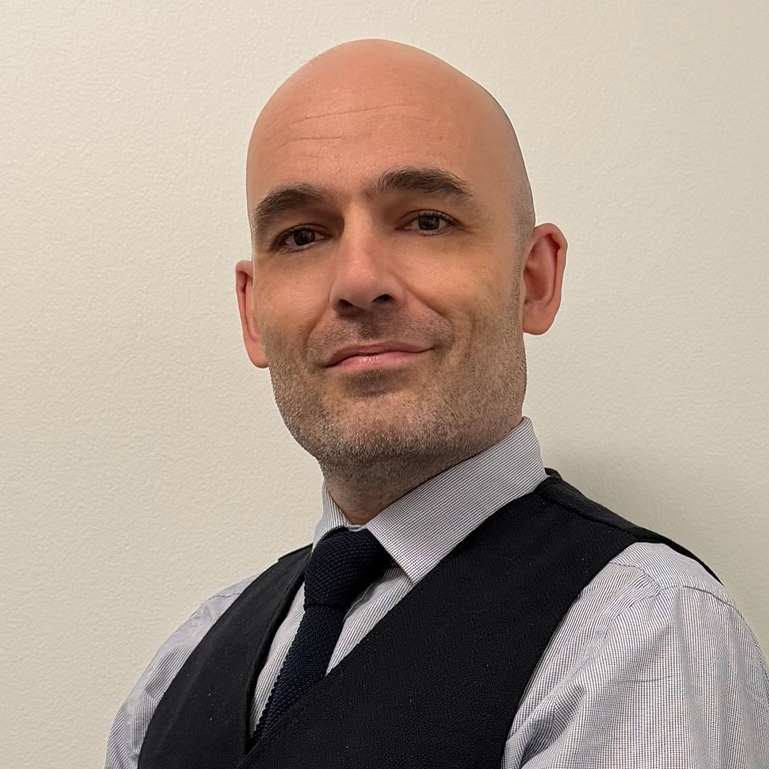
Pete Lumley joined Mazama Energy in fall 2025 as communications director following a distinguished career in global energy engineering and communications. Prior to Mazama, Lumley led marketing and business development at Blade Energy Partners, and contributed technical expertise in wellbore mechanics and drilling engineering in various international roles, including training hundreds of students in casing design, drilling engineering, and well engineering. Lumley’s leadership bridges technical, commercial, and policy perspectives, and he has been a frequent industry speaker and educator, holding a BEng (Hons) in marine technology with offshore engineering from Newcastle University. He is based in Houston, Texas.
Milo McBride
Fellow, Sustainability, Climate, and Geopolitics Program, Carnegie Endowment for International Peace
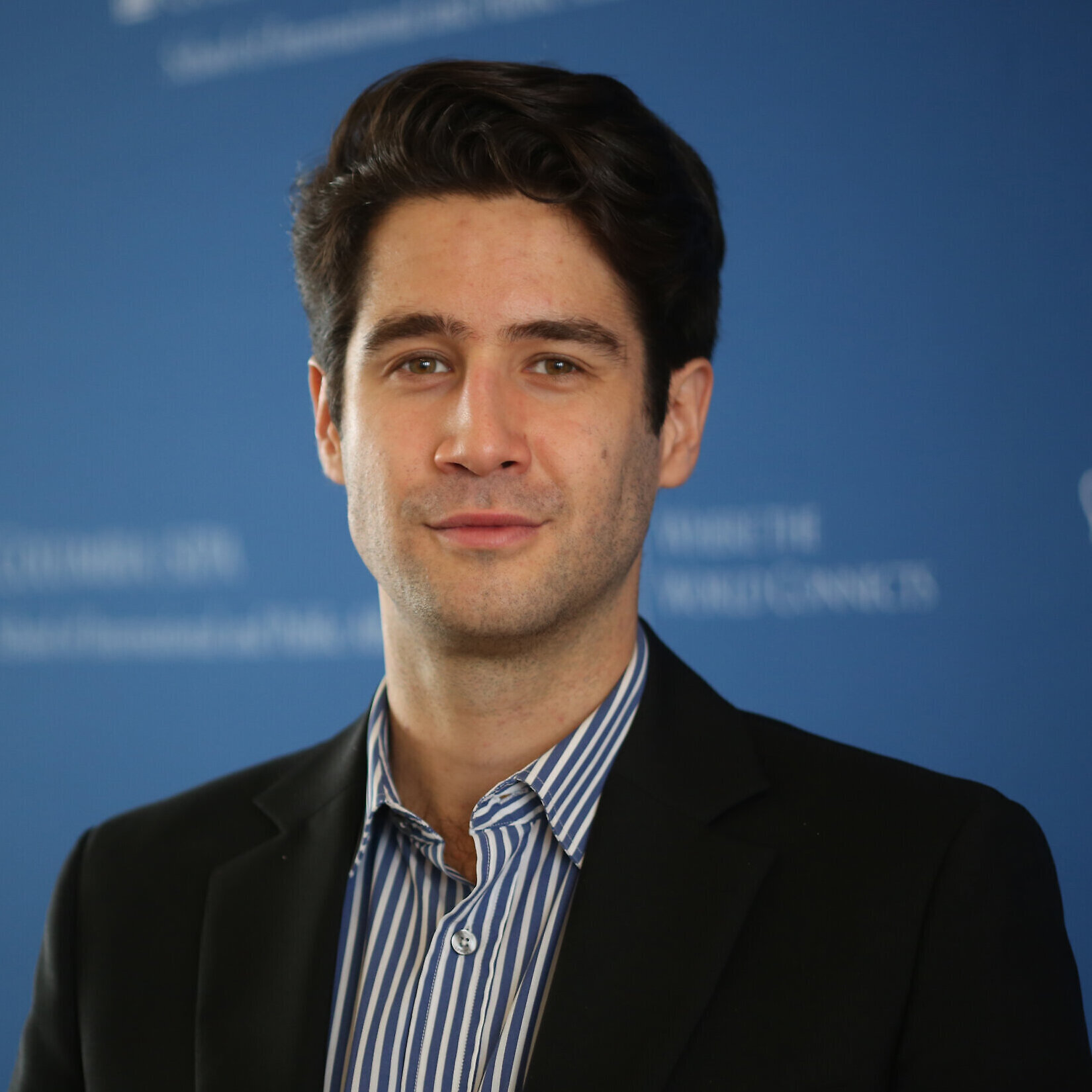
Milo McBride is a fellow at the Carnegie Endowment for International Peace in Washington, DC. His research focuses on the geopolitics of energy transition technologies, critical minerals, and next-generation innovations in power, mobility, and industrial sectors. He combines technology and market insights with political economy analysis to help policymakers and industry leaders align industrial competitiveness with decarbonization. Additionally, McBride is a nonresident fellow at the Graduate Institute of Geneva’s Platform for Resilient Value Chains and senior consultant at Macro Advisory Partners. Previously, he was an analyst at Eurasia Group, where he directed research on energy supply chains and advised multinational corporations, financial institutions, government agencies, and development banks. In addition to this work, he led a research initiative on the global development of direct lithium extraction at Columbia University’s Center on Global Energy Policy and held positions at the International Institute for Sustainable Development. Earlier in his career, McBride taught energy policy as an adjunct professor at New York University’s Tandon School of Engineering. His writing has been published by the Center on Global Energy Policy, the Oxford Institute for Energy Studies, and Foreign Policy. His insight and research have been featured in the Wall Street Journal, The Economist, New York Times, Energy Intelligence, and frequently by the Financial Times. He holds a master’s from Columbia University’s School of International and Public Affairs and a bachelor’s degree from New York University.
John McLennan
Co-Principal Investigator, Utah FORGE Project; Professor of Chemical Engineering, University of Utah
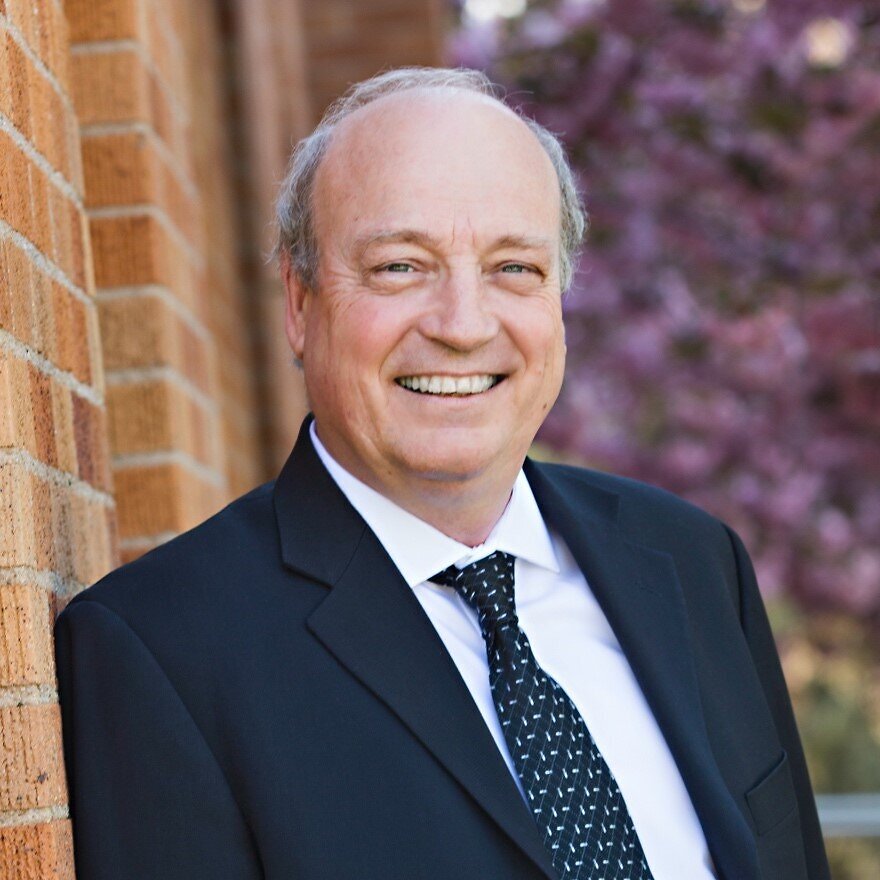
Since 2009, John McLennan has been a faculty member in the Department of Chemical Engineering at the University of Utah. He has a PhD in civil engineering from the University of Toronto, which he was awarded in 1980. Before joining the university, he had nearly 30 years of experience with petroleum service and technology companies, including Dowell Schlumberger, TerraTek, Advantek International, and ASRC Energy Services. He has worked on subsurface energy recovery in a variety of reservoir environments throughout the world, particularly geothermal energy, for the last decade. He is a co-principal investigator for the Utah FORGE project. He is an American Rock Mechanics Association (ARMA) Fellow and has served as ARMA president. He is a member of the Utah Academy of Engineering and Science.
Matěj Peč
Associate Professor of Geophysics, MIT Department of Earth, Atmospheric and Planetary Sciences
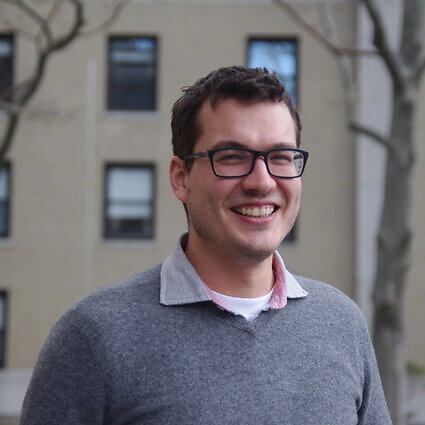
Matěj Peč studies the mechanical and microstructural response of rocks to various driving forces associated with plate tectonic movements and subsurface energy and resource utilization. His research program addresses these challenges by identifying the physical mechanisms that govern rock deformation from the shallow subsurface to the upper mantle through laboratory experiments that make otherwise inaccessible processes observable.
Peč has a BSc in geology and a MSc in structural geology from the Charles University in Prague, Czech Republic. During his master studies, he spent a year at the Université Montpellier II in France as an ERASMUS scholar. He then pursued a PhD in rock mechanics under the supervision of Renée Heilbronner and Holger Stünitz at the Universität Basel in Switzerland, where he graduated “summa cum laude” in 2012. After his PhD, he worked in the laboratory of David L. Kohlstedt at the University of Minnesota as a postdoctoral researcher. Peč joined the Department of Earth, Atmospheric and Planetary Sciences at the Massachusetts Institute of Technology in January 2017 as an assistant professor and was promoted to associate professor in 2024.
Lev Ring
President and Co-Founder, Sage Geosystems, Inc.
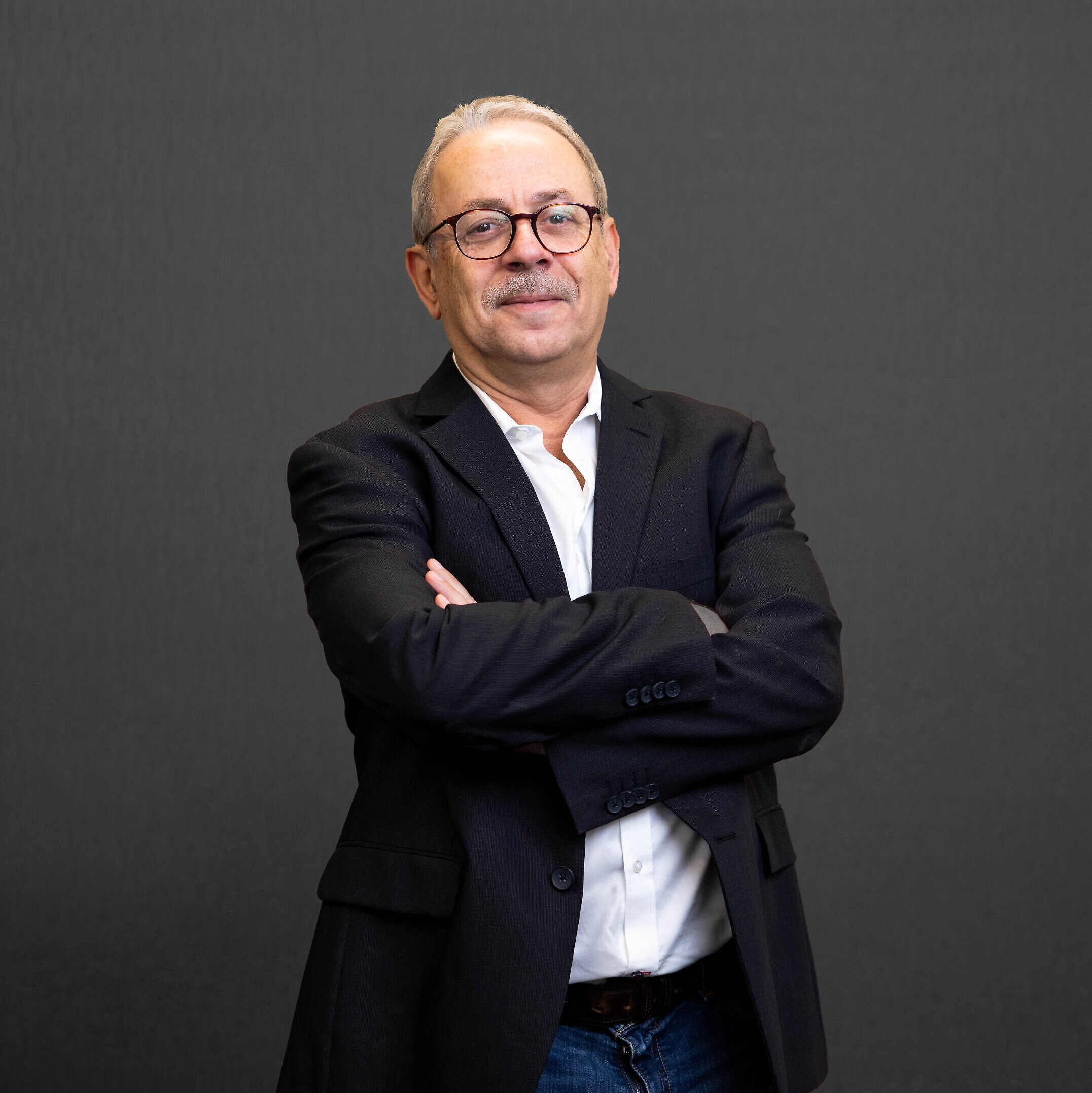
Lev Ring, president & co-founder of Sage Geosystems, Inc. has over 25 years in the oil and gas industry, managing engineering and R&D teams in drilling and well construction. His most recent role was the director of technology development at Weatherford, where he commercialized Managed Pressure Drilling (MPD) technology into a $500 million annual revenue business. Before joining Weatherford, Ring was the CTO and co-founder of Enventure Global Technologies, a joint venture between Shell and Halliburton. Ring holds more than 120 patents in the areas of drilling, well construction, well completion, next-generation geothermal, and energy storage. He has a PhD degree in physics from the Russian Academy of Sciences, and an MS from the Moscow Institute of Physics and Technology.
Terra Rogers
Program Director, Superhot Rock Energy, Clean Air Task Force

Terra Rogers is the program director for Superhot Rock Energy at Clean Air Task Force. In 2022 she joined CATF to create a global vision for Superhot Rock and implement pathways for large-scale geothermal deployment. Rogers has been active in the renewable energy industry for 20 years supporting companies providing pioneering R&D solutions in the geothermal, biofuel and energy storage markets. Rogers holds a BSc chemical engineering from the Colorado School of Mines and an MBA from Harvard Business School.
Carolyn Ruppel
Deputy Director for Science and Technology, MIT Energy Initiative
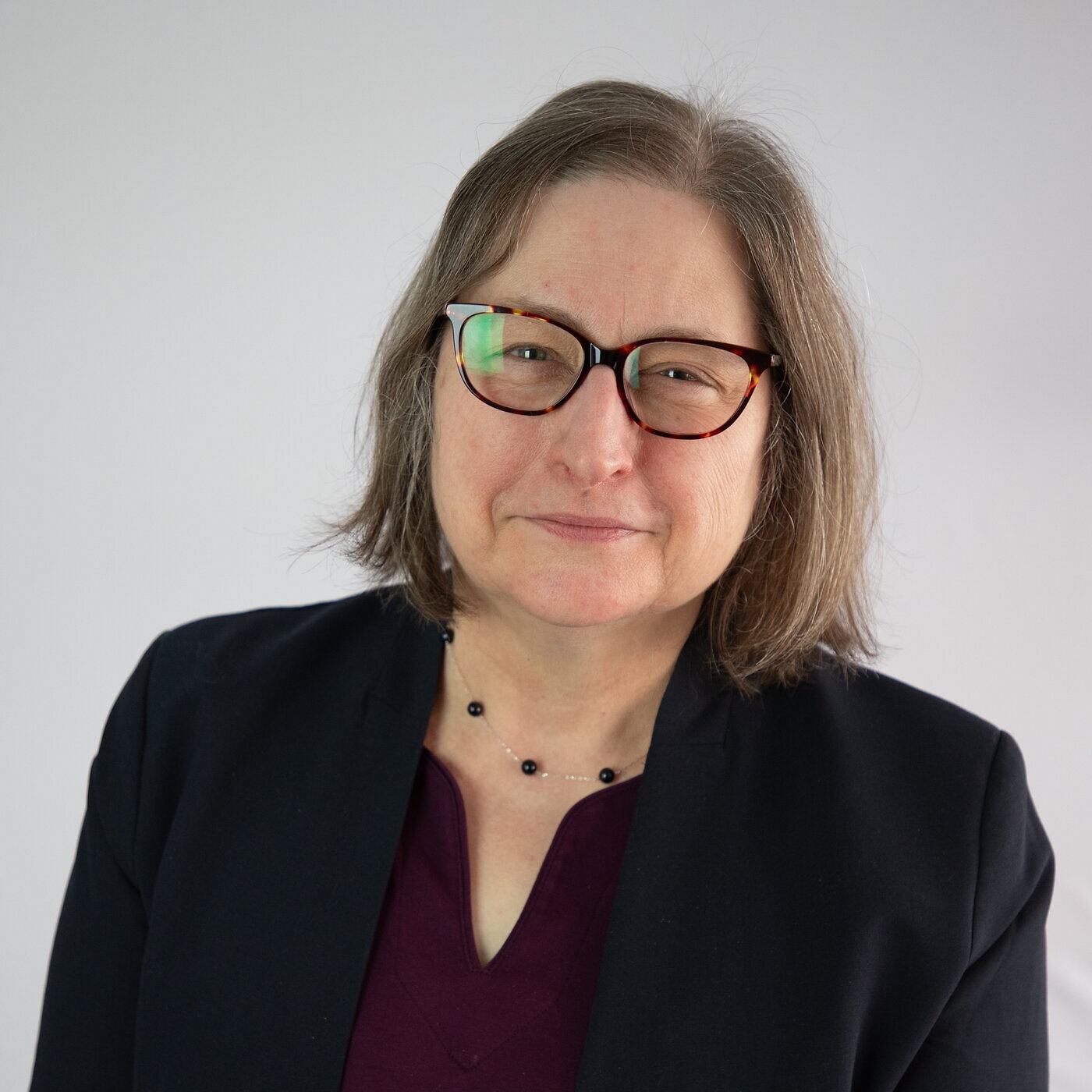
Carolyn Ruppel is MITEI’s deputy director of science and technology. Her role involves engagement across the research, education, and outreach portfolios of MITEI, the hub of energy research at MIT.
Ruppel spent nearly 19 years at the U.S. Geological Survey (USGS), where she was a senior rank research geophysicist and led the Gas Hydrates Project. Starting in 2022, she also served as acting senior science advisor to the USGS Chief Scientist. Prior to joining the USGS, Ruppel was a geophysics professor at Georgia Tech from 12 years and served nearly three years as a National Science Foundation program manager. Ruppel has led many research cruises, including in the Arctic Ocean, and served on numerous advisory and editorial panels. Her published research focuses on seafloor methane emissions, gas hydrate resources, subsea permafrost, and hydrate-climate change interactions.
Ruppel received all her degrees from MIT (PhD 1992; SB and SM 1986), participated in MITEI’s Future of Natural Gas study in 2011, and held a courtesy appointment at MIT’s Earth Resources Laboratory for several years. She is a fellow of the Geological Society of America and a recipient of the Department of Interior’s Distinguished Service Award.
Michael Short
Class of 1941 Professor, MIT Department of Nuclear Science and Engineering

Michael Short joined MIT’s Department of Nuclear Science and Engineering in 2001 as a first-year undergraduate researcher and never left. He and his group have spent 24 years studying coupled effects and challenges facing materials for nuclear power, for both fission and fusion, ranging from corrosion to fouling to radiation damage in metals, ceramics, and recently superconductors. They have made surprising discoveries ranging from universally anti-fouling coatings to radiation decelerated corrosion in molten salts to direct measurement of stored energy of radiation damage, to methods for detecting historical uranium enrichment for non-proliferation treaty verification. His group works on rapid methods for the assessment of nuclear material health and safety, on the basic science underpinning how radiation damage changes materials, and practical applications for making nuclear power safer by better knowledge and prediction of material properties.
C. Cem Tasan
POSCO Associate Professor of Metallurgy, MIT Department of Materials Science and Engineering
C. Cem Tasan is the POSCO Associate Professor of Metallurgy. He earned his BS and MS in the Department of Metallurgical and Materials Engineering at METU, Middle East Technical University, in Ankara, Turkey. He carried out his PhD work in the Mechanical Engineering Department at Eindhoven University of Technology in the Netherlands. He then moved to Max-Planck-Institut für Eisenforschung in Germany, where he was appointed first as a postdoc, and then as a group leader. He joined DMSE as a faculty member in 2016 and was granted tenure in 2022.
Roberto Wagner
Director of Subsurface, XGS Energy
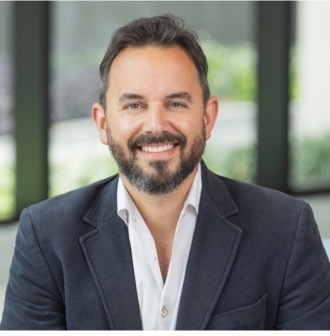
Roberto Wagner serves as director of Subsurface, bringing more than two decades of global experience in geoscience, engineering, and commercial subsurface development across the oil & gas and geothermal sectors. His expertise spans the full lifecycle of resource development—from exploration and appraisal to the optimization of complex, mature fields.
Before joining XGS Energy in August 2024, Wagner spent 17 years with TOTAL Energies, where he led and supported major field development programs across Europe, the Middle East, Africa, South America, and North America. He later served as a geoscience advisor at Expand Energy (formerly Chesapeake Energy), guiding reservoir characterization, integrated modeling, and economic optimization efforts for key strategic projects. His technical insights and leadership have been featured in numerous presentations and publications at leading petroleum engineering and geoscience conferences.
In geothermal, Wagner leads the development of integrated subsurface strategies that guide resource assessment and long-term field planning. He manages a multidisciplinary team of geoscientists and engineers who evaluate subsurface potential, well designs and well performance, and support execution across the project lifecycle. His leadership is aimed at delivering sustainable and secure energy through rigorous technical evaluation and execution-focused decision-making.
Ralph Winmill
Principal Drilling Engineer, Geode Well Engineering Ltd.
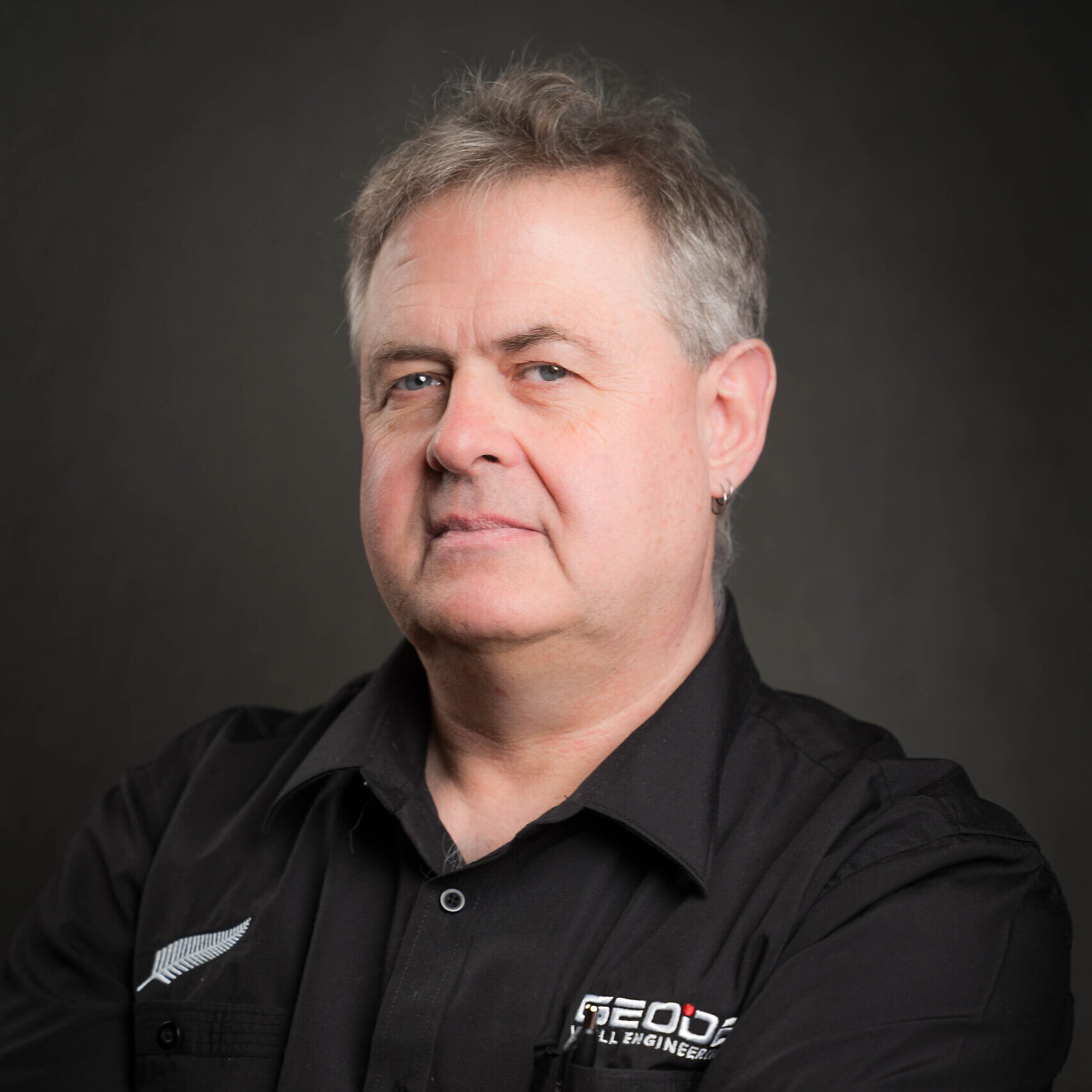
Ralph Winmill is a geothermal drilling engineer based out of New Zealand, with 32 years of experience in the Geothermal Well- and Drilling-Engineering space. He has an unparalleled and sought-after range of skills and experiences, and is currently engaged as the well design engineer for New Zealand’s upcoming deep Supercritical Well. Ralph works for Geode Well Engineering Ltd, a leading international geothermal-well-engineering consultancy. Ralph holds a degree in mechanical engineering and has a strong focus on innovative problem solving, solid engineer-based decisions, and training and mentoring the next generation of drilling engineers.
Stephen J. Wukitch
Interim Director, MIT Plasma Science and Fusion Center
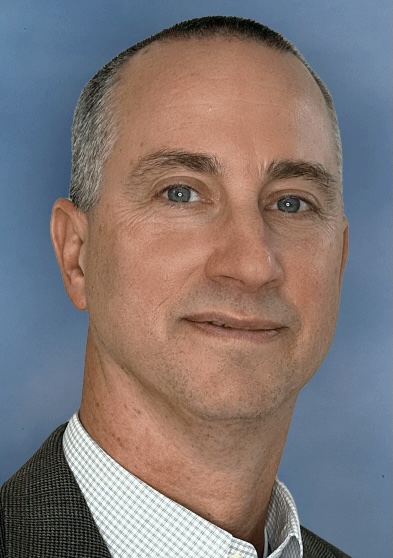
Stephen Wukitch is the interim director of the MIT Plasma Science and Fusion Center (PSFC) and has conducted research in high-power radiofrequency (RF) waves in plasmas since 1996. His work focuses on high-power RF systems, wave–matter interactions, and the development of advanced electromagnetic technologies for operation in extreme environments.
Wukitch has overall responsibility for the 8 MW Ion Cyclotron Range of Frequency (ICRF) heating and current drive systems on the Alcator C-Mod tokamak, overseeing both the physics program and operational performance. His team developed the first high–power density antenna for plasma heating while mitigating deleterious plasma–material interactions; this design forms the basis of the SPARC ICRF heating system.
His broader research interests include RF wave physics, RF–plasma edge interactions, and enabling antenna, transmission, and source technologies. In collaboration with Belgian colleagues, he co-developed a novel technique for efficient generation of high-energy ions using RF waves, work recognized with the 2018 Landau–Spitzer Award.
Since 2016, Wukitch has led development of High-Field-Side Lower Hybrid Current Drive on DIII-D tokamak, integrating advanced modeling with materials selection, additive manufacturing, and high-performance RF coupler design to withstand severe thermal and electromagnetic loads. Recent experiments have confirmed efficient RF coupling and wave propagation, meeting the primary technical objectives.
This background directly supports millimeter-wave drilling concepts, where efficient electromagnetic energy coupling, materials resilience under extreme conditions, and scalable high-power system design are central challenges.
Wanju Yuan
Research Scientist, Natural Resources Canada, Geological Survey of Canada
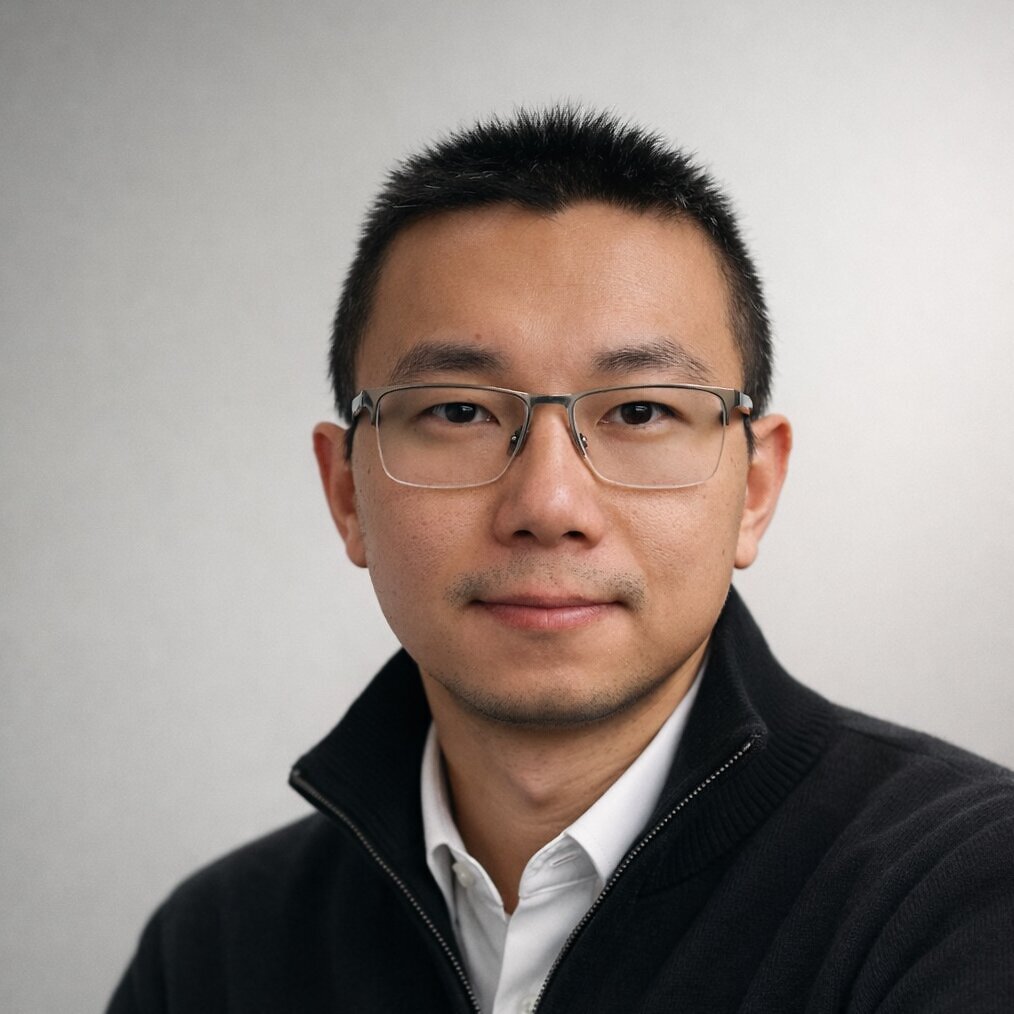
Wanju Yuan is a research scientist with Natural Resources Canada’s Geological Survey of Canada, specializing in geo-energy systems that support Canada’s clean energy transition. His research focuses on geothermal resource assessment, carbon capture, utilization and storage (CCUS), and integrated subsurface energy solutions across sedimentary and frontier basins. A key component of his work advances geothermal exploration and heat-resource evaluation in Canada’s Arctic and remote regions, where he integrates remote sensing, geophysical interpretation, and reservoir-scale modelling to identify sustainable energy opportunities under extreme climatic conditions. In parallel, he leads and contributes to CCUS and hybrid geo-energy concepts that link hydrocarbon reservoirs, geothermal heat recovery, and CO₂ sequestration potential within the Western Canada Sedimentary Basin. Yuan’s interdisciplinary approach bridges geoscience, engineering, and data analytics, supporting resource development, emissions reduction, and long-term energy resilience. He is actively engaged in national and international collaborations and regularly contributes to major geothermal and energy conferences, including serving as technical program co-chair for the World Geothermal Congress 2026.